Glaucoma: The Eye Condition That Gives No Warning Signs (And Why Eye Tests Matter)

Most people book an eye test because their vision has changed. Yet some eye conditions can develop when your sight feels normal. Glaucoma is one of them. It can affect the optic nerve gradually, often without pain, redness or obvious blur, which is why regular checks matter.

We encourage adults, especially those aged 40 and over, to check when they last had a full eye examination.

What Is Glaucoma?
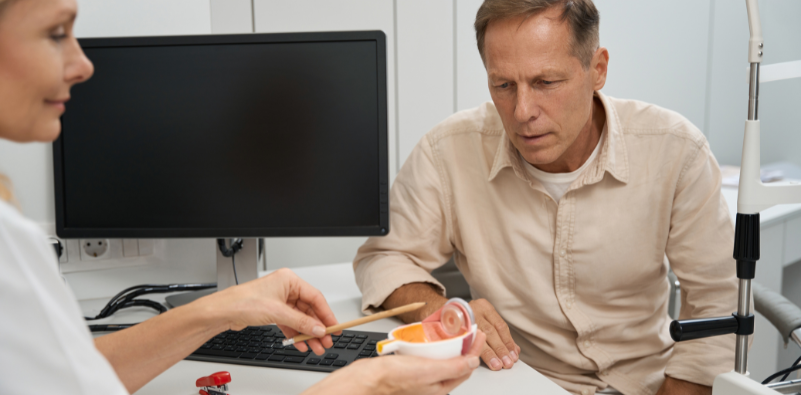
An eye care professional showing a patient an eye model during an appointment

What is glaucoma? In simple terms, it is a group of eye conditions where the optic nerve, which sends visual information from the eye to the brain, becomes affected over time. This is often linked to raised pressure inside the eye, although glaucoma can also occur when eye pressure appears normal.

The challenge is that sight changes from glaucoma usually happen slowly. Early changes often affect your peripheral, or side, vision first. Because both eyes work together, your brain may fill in missing information, so you may not notice anything is different. Once vision has been affected by glaucoma, it usually cannot be restored, so early detection matters.

What Are the Main Glaucoma Symptoms?
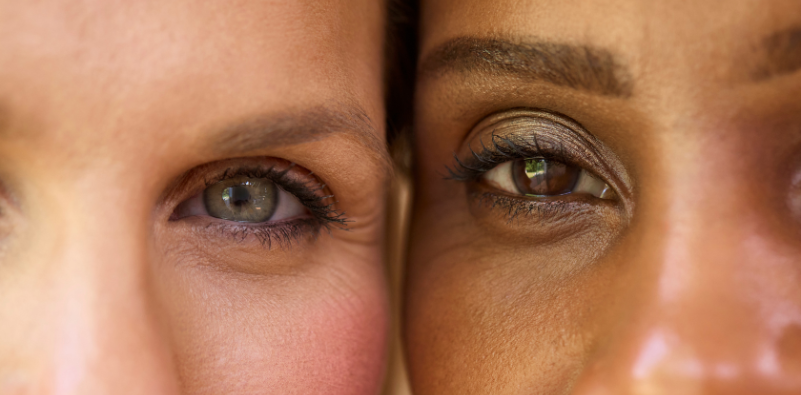
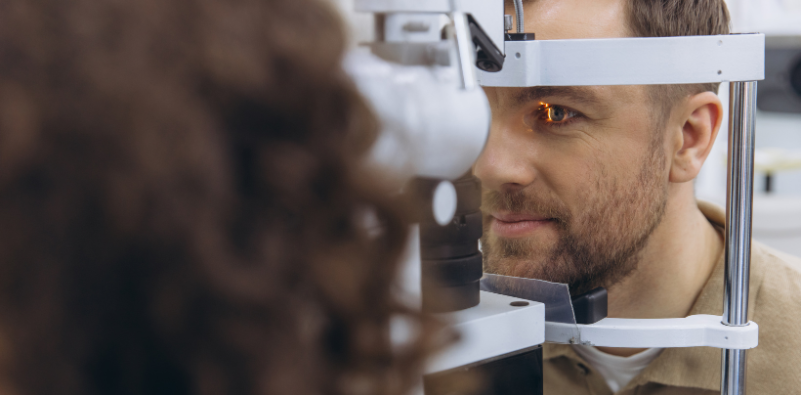
A close-up of a man’s right eye.

Glaucoma symptoms can be difficult to spot in the early stages. Many people have no symptoms at all. There may be no discomfort, no sudden change in vision and no obvious sign in the mirror.

As glaucoma progresses, some people may notice patchy vision, blurred areas, difficulty seeing at the edges of their vision, or problems with everyday tasks such as driving, reading or moving around confidently. These changes can be subtle, so waiting for symptoms is not the best approach.

Who Is More At Risk?

A group of older adults smiling together on a city street.

Anyone can develop glaucoma, but your risk may be higher if you are over 40, have a close family member with glaucoma, are from a Black African, Caribbean or Asian background, are short-sighted, have diabetes, or have raised eye pressure or high blood pressure.

You may be entitled to an NHS eye test if you meet certain criteria, including being aged 60 or over, having diabetes or glaucoma, or being aged 40 or over with a parent, sibling or child who has glaucoma.

Why An Eye Test Matters

A routine eye test does far more than check whether you need new glasses. It gives your optometrist the chance to look closely at the health of your eyes and identify early signs of change before you are likely to notice them yourself.

Assessing for glaucoma may include measuring the pressure inside your eyes, checking your visual field to assess side vision, and examining the optic nerve at the back of the eye. These checks build a clearer picture of your eye health and help us decide whether you need monitoring, advice or referral.

How Does An OCT Eye Scan Help?
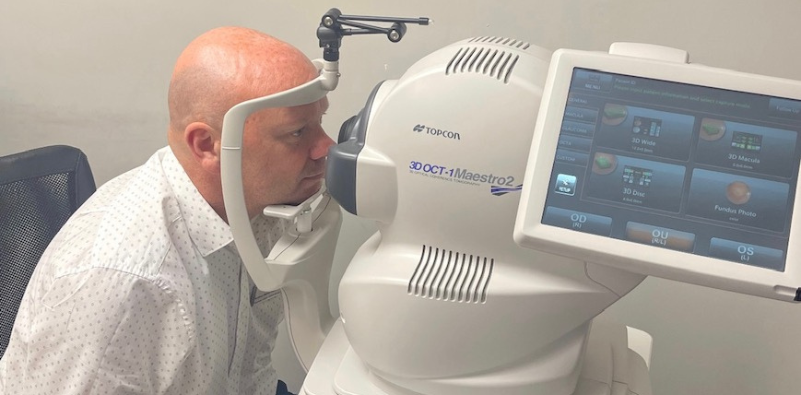
A patient having an OCT scan at Robinson Optometrists during an eye exam.

An OCT eye scan is an advanced imaging test that captures detailed, cross-sectional images of the layers at the back of the eye. For glaucoma care, this can be useful because it helps optometrists assess the optic nerve and retinal nerve fibre layers.

At Robinson Optometrists, OCT technology supports our clinical judgement by helping us spot subtle changes over time. It is quick and non-invasive, providing valuable information alongside your eye examination.

How Often Should You Have An Eye Test?
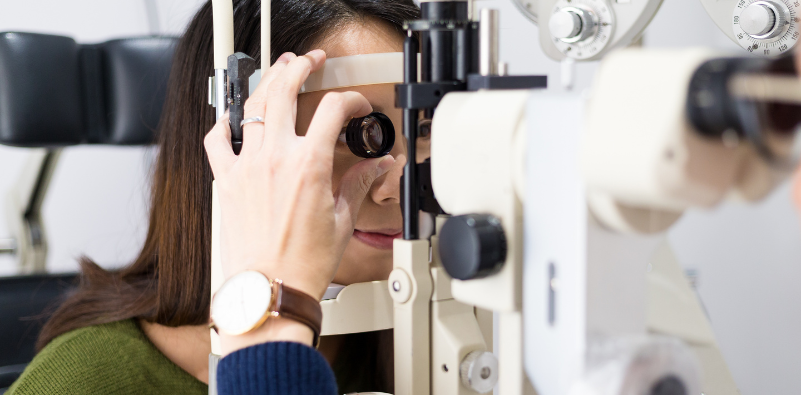
An optometrist looking at a patient’s eye during an eye exam

How often should you have an eye test? For most people, every two years is recommended. However, your optometrist may advise more frequent checks if you have risk factors, existing eye conditions, diabetes, a strong family history of glaucoma, or any concerns about your vision.

If you cannot remember your last appointment, or you have been putting it off because your sight seems fine, now is a good time to book.

Protect Your Sight With Local Eye Care

Glaucoma may not give clear warning signs, but a thorough eye test can help identify changes early. Regular checks support your long-term vision and give you peace of mind.

Book your eye test with Robinson Optometrists, your trusted Opticians in Whitley Bay. Our friendly team will take the time to explain each step and help you look after your sight with confidence.
5 Health Conditions Your Eye Exam Could Help Detect Early

Most people book an eye exam because their vision feels blurred, their glasses need updating, or driving at night has become harder. That matters, but a thorough eye test can also give your optometrist a valuable view of your wider wellbeing.

At Robinson Optometrists in Monkseaton, we examine the retina, optic nerve and tiny blood vessels at the back of the eye. These delicate structures can sometimes show early clues linked to wider health conditions, even before you notice changes in your sight. So, what can eye exams detect?

1. High blood pressure

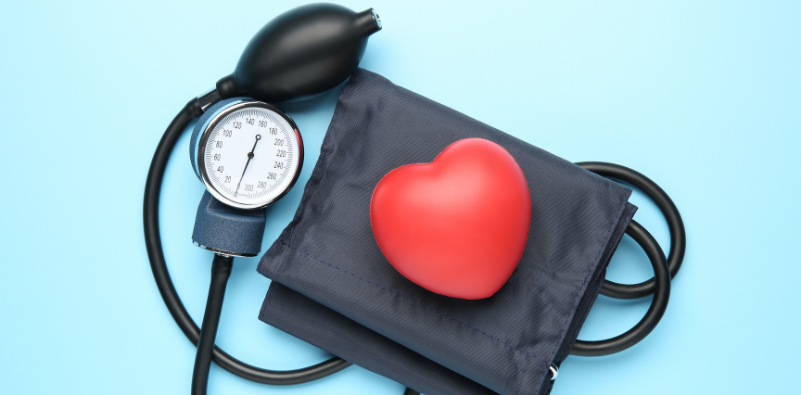
A blood pressure cuff on a blue background with a red heart resting on top of the cuff.

High blood pressure often develops without obvious symptoms. During a routine eye exam, your optometrist may notice changes in the retinal blood vessels, such as narrowing, small bleeds, swelling or signs that blood flow has been affected.

An eye exam cannot diagnose high blood pressure on its own, but these findings can be a useful warning sign. If we spot anything unusual, we may recommend that you contact your GP for blood pressure checks and further advice. Early action can help reduce the risk of stroke, heart disease and eye problems.

2. Diabetes and eye health

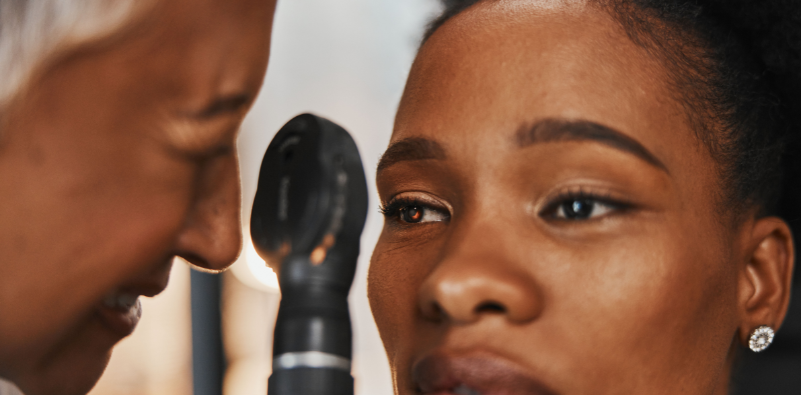
An optometrist examining a patient’s eye with a retinoscope.

Diabetes and eye health are closely connected because high blood sugar can affect the small blood vessels that supply the retina. Over time, this may lead to diabetic retinopathy, which can develop gradually without early symptoms.

During an eye test, we look for signs such as tiny bleeds, leaking vessels, retinal swelling or changes in the appearance of the back of the eye. If you have diabetes, NHS diabetic eye screening remains essential and is separate from your regular optician appointment. However, a routine eye exam is still important for checking your prescription, monitoring eye health and identifying other concerns.

3. High cholesterol

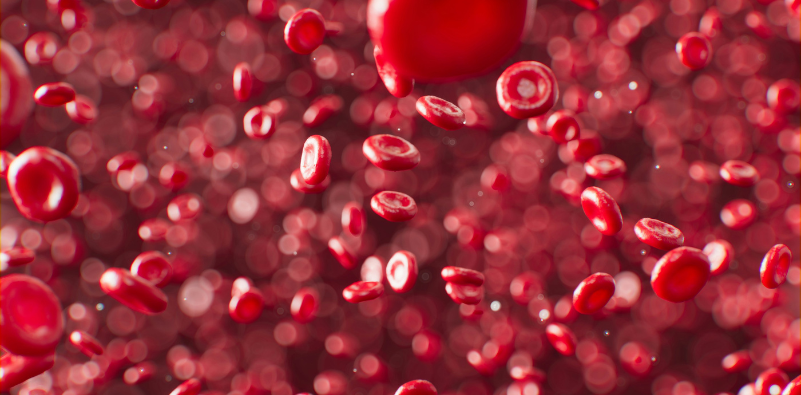
A graphic of red blood cells flowing through the bloodstream.

Cholesterol is a fatty substance found in the blood. Your body needs some cholesterol, but too much can contribute to narrowed or blocked arteries. In some cases, cholesterol-related changes may be visible in or around the eyes.

During your eye exam, we may notice pale rings around the cornea, yellowish deposits around the eyelids, or plaques in retinal blood vessels. These signs do not automatically mean high cholesterol, but may suggest a GP review would be sensible. Managing cholesterol early can support both cardiovascular health and long-term eye health.

4. Neurological changes

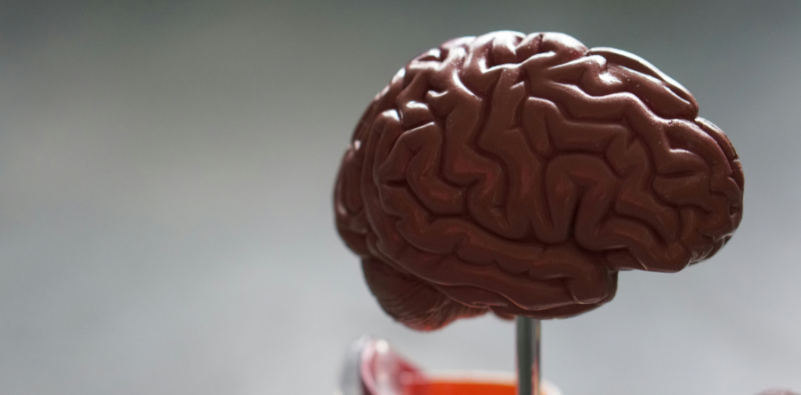
A close-up of a model brain on a stand.

Your eyes are directly connected to your brain through the optic nerves. Because of this, certain neurological changes can affect vision, eye movement, pupils or the appearance of the optic nerve.

During an eye exam, we check your visual fields, how your pupils react to light, how your eyes move together and whether the optic nerve looks healthy. Sudden double vision, unexplained vision loss, new blind spots, persistent headaches or optic nerve swelling may need prompt medical attention. Where necessary, we can refer you.

5. Autoimmune and inflammatory conditions

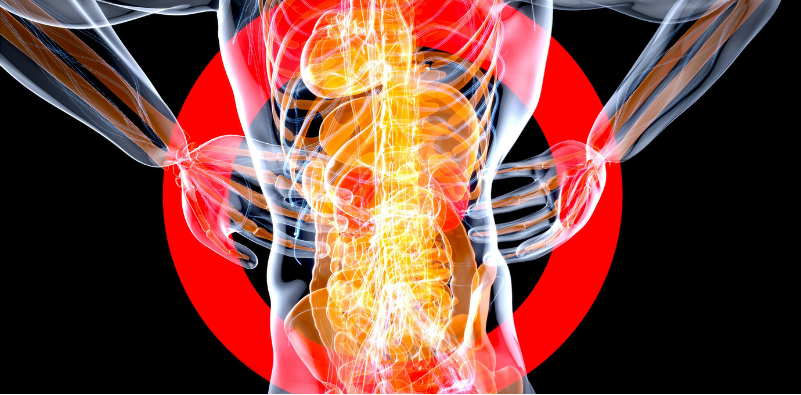
A medical illustration of the torso, highlighting nerves and abdominal organs.

Some autoimmune and inflammatory diseases can affect the eyes, including rheumatoid arthritis, inflammatory bowel disease and sarcoidosis. These conditions may cause inflammation in or around the eye, sometimes before a person connects their symptoms with a wider health issue.

Signs can include redness, light sensitivity, eye pain, dry eye, blurred vision or uveitis, which is inflammation inside the eye. Early assessment is important because inflammation can be uncomfortable and, in some cases, may put your sight at risk. Treatment and monitoring can help protect your vision.

Why choose Robinson Optometrists in Monkseaton?

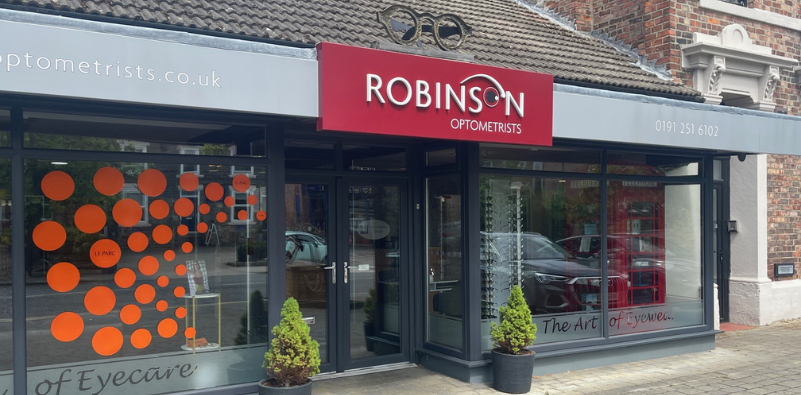
An image of the exterior of Robinson Optometrists.

At Robinson Optometrists, we combine friendly North East care with clinical attention to detail. Our eye exams can include retinal photography, an Advanced Retinal CT 3D scan and our OCT eye test technology, which captures detailed images of the retina, optic nerve and blood vessels. It is painless, non-invasive and brilliant for monitoring subtle changes over time.

For most adults, an eye exam is recommended every two years, or more often if advised by your optometrist. If you have diabetes, high blood pressure, high cholesterol, inflammatory disease, neurological symptoms, or a family history of eye disease, we may recommend a tailored recall.

Ready to see the bigger picture when it comes to your health? Book your eye exam at Robinson Optometrists today and let’s look after your eyes — and perhaps a little more besides.

Our top Father’s Day gift ideas

With Father’s Day approaching, it’s an ideal time to pick something special you know they will love. If you’re struggling this year, we have the best Father’s Day gift ideas for you… sunglasses! Not only will they make an excellent gift because they are stylish, but they will show you care. 

To help you make your choice, we’ve selected three brands that dads nationwide will appreciate: Tom Ford, Ray-Ban, and Land Rover. Read on to find out more.

Tom Ford

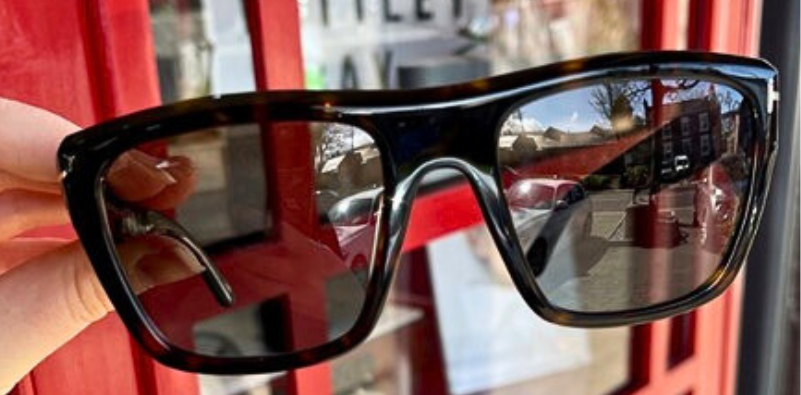
Close-up of a pair of sunglasses

Description automatically generated

Having been the creative director at Gucci and Yves Saint Laurent, Tom Ford put his reputation and name on the line to start something fresh and memorable. High-quality materials, precision engineering and Italian craftsmanship form the backbone of his operation.

These square-framed sunglasses show how Tom Ford manages to weave the vintage with the contemporary. The angular design plays perfectly with round and oval-shaped faces, and the blend of tortoiseshell and moody Havana tones of orange, black, and brown offers versatility with countless aesthetic preferences.

These are sunnies for the chic, stylish and fashion-conscious men amongst us.

Ray-Ban

A close up of sunglasses

Description automatically generated

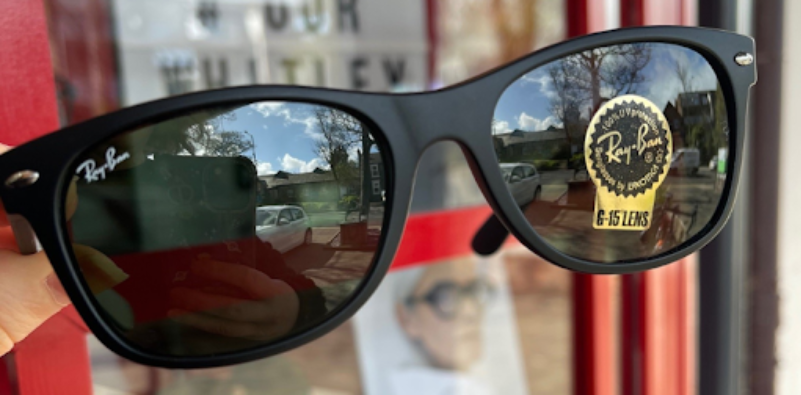
This company is synonymous with sunglasses and classic, eternal style, and the Ray-Ban Wayfarer sunglasses are a model that will always be a solid choice. The Wayfarer comes in a few different forms, but we are in love with the New Wayfarer Classic, as pictured here. Being a bit smaller, they can accommodate a variety of face shapes, and the rounded design offers a softer yet more compelling finish. 

The G-15 polarised lenses only allow 15% of light to pass through, so your dad would be glare-free, cool, and comfortable.

Land Rover

A pair of sunglasses on a window

Description automatically generated

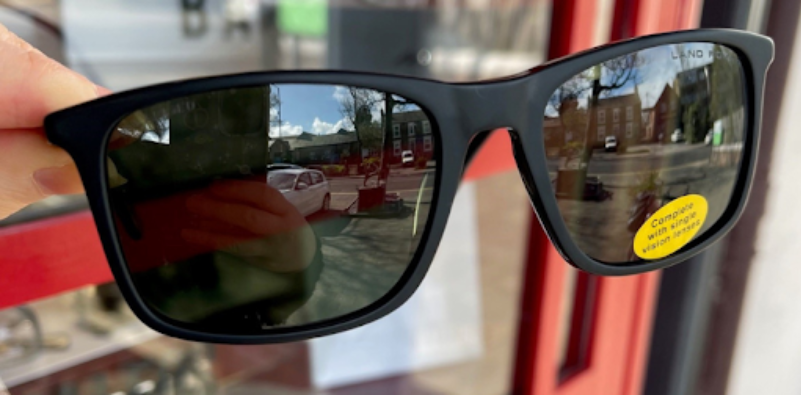
Land Rover is a brand seeking out sporty and adventurous souls, and the pair featured here meld this aesthetic with clean and minimalist elements, finished in a lovely matte black.

The frame shape complements rounder faces and harnesses that sought-after timeless style. Land Rover is a British brand known for its attention to detail and for producing superior on and off-road vehicles that can navigate incredible obstacles. This “go-anywhere” attitude and premium feel have been transferred to its eyewear, making these a perfect pair for the thrill-seeking dad. 

Visit our Opticians in Whitley Bay

We have the perfect gifts for Father’s Day: sunglasses! Rest assured, all of our shades can be fitted with prescription lenses if needed. We’d love to welcome you to our practice, so please get in touch to book an appointment or visit us to browse our eyewear and sunglasses ranges!