Glaucoma: The Eye Condition That Gives No Warning Signs (And Why Eye Tests Matter)

Most people book an eye test because their vision has changed. Yet some eye conditions can develop when your sight feels normal. Glaucoma is one of them. It can affect the optic nerve gradually, often without pain, redness or obvious blur, which is why regular checks matter.

We encourage adults, especially those aged 40 and over, to check when they last had a full eye examination.

What Is Glaucoma?

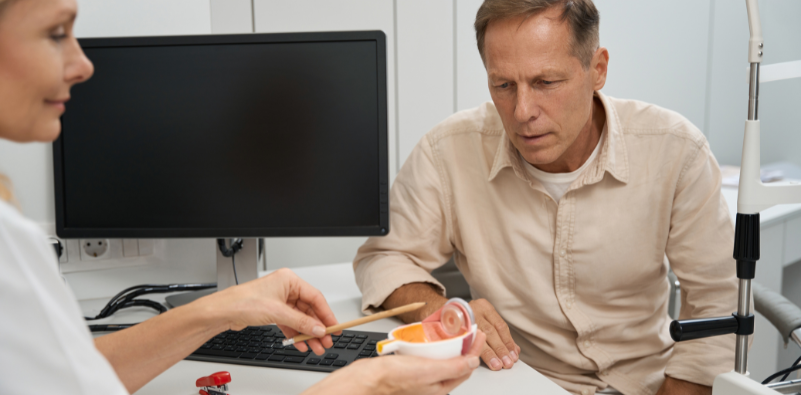
An eye care professional showing a patient an eye model during an appointment

What is glaucoma? In simple terms, it is a group of eye conditions where the optic nerve, which sends visual information from the eye to the brain, becomes affected over time. This is often linked to raised pressure inside the eye, although glaucoma can also occur when eye pressure appears normal.

The challenge is that sight changes from glaucoma usually happen slowly. Early changes often affect your peripheral, or side, vision first. Because both eyes work together, your brain may fill in missing information, so you may not notice anything is different. Once vision has been affected by glaucoma, it usually cannot be restored, so early detection matters.

What Are the Main Glaucoma Symptoms?

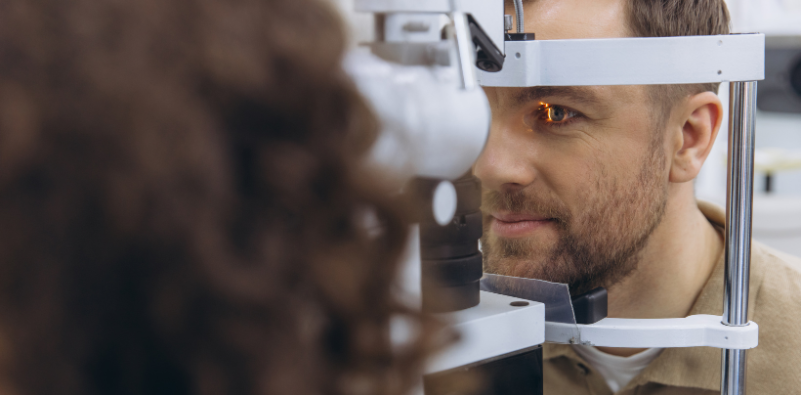
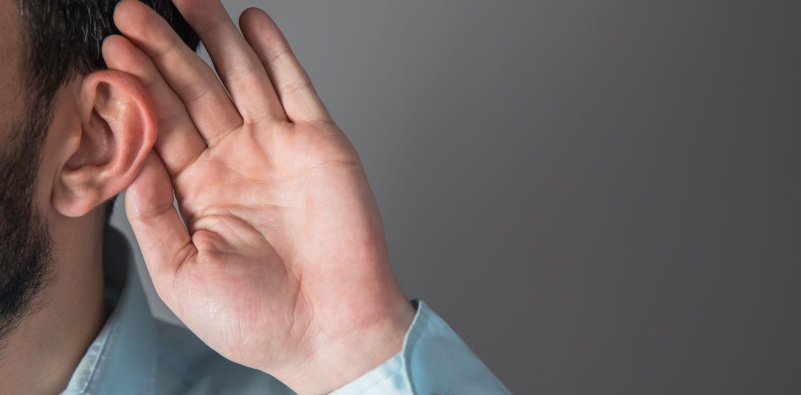
A close-up of a man’s right eye.

Glaucoma symptoms can be difficult to spot in the early stages. Many people have no symptoms at all. There may be no discomfort, no sudden change in vision and no obvious sign in the mirror.

As glaucoma progresses, some people may notice patchy vision, blurred areas, difficulty seeing at the edges of their vision, or problems with everyday tasks such as driving, reading or moving around confidently. These changes can be subtle, so waiting for symptoms is not the best approach.

Who Is More At Risk?

A group of older adults smiling together on a city street.

Anyone can develop glaucoma, but your risk may be higher if you are over 40, have a close family member with glaucoma, are from a Black African, Caribbean or Asian background, are short-sighted, have diabetes, or have raised eye pressure or high blood pressure.

You may be entitled to an NHS eye test if you meet certain criteria, including being aged 60 or over, having diabetes or glaucoma, or being aged 40 or over with a parent, sibling or child who has glaucoma.

Why An Eye Test Matters

A routine eye test does far more than check whether you need new glasses. It gives your optometrist the chance to look closely at the health of your eyes and identify early signs of change before you are likely to notice them yourself.

Assessing for glaucoma may include measuring the pressure inside your eyes, checking your visual field to assess side vision, and examining the optic nerve at the back of the eye. These checks build a clearer picture of your eye health and help us decide whether you need monitoring, advice or referral.

How Does An OCT Eye Scan Help?

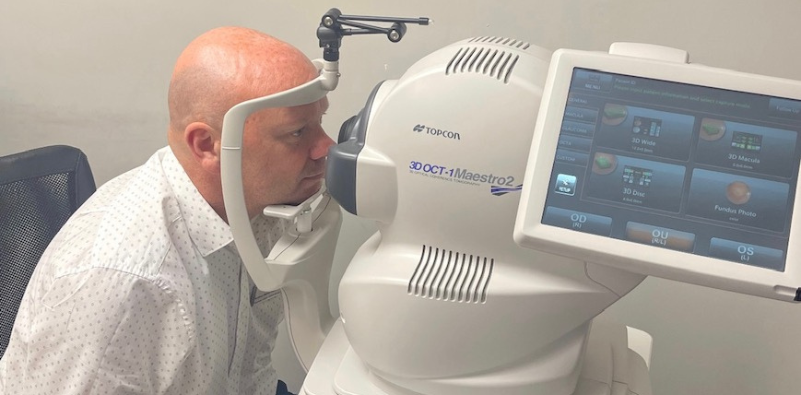
A patient having an OCT scan at Robinson Optometrists during an eye exam.

An OCT eye scan is an advanced imaging test that captures detailed, cross-sectional images of the layers at the back of the eye. For glaucoma care, this can be useful because it helps optometrists assess the optic nerve and retinal nerve fibre layers.

At Robinson Optometrists, OCT technology supports our clinical judgement by helping us spot subtle changes over time. It is quick and non-invasive, providing valuable information alongside your eye examination.

How Often Should You Have An Eye Test?

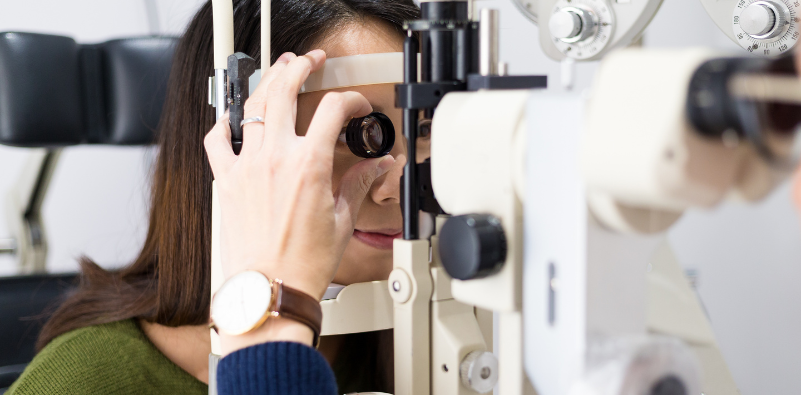
An optometrist looking at a patient’s eye during an eye exam

How often should you have an eye test? For most people, every two years is recommended. However, your optometrist may advise more frequent checks if you have risk factors, existing eye conditions, diabetes, a strong family history of glaucoma, or any concerns about your vision.

If you cannot remember your last appointment, or you have been putting it off because your sight seems fine, now is a good time to book.

Protect Your Sight With Local Eye Care

Glaucoma may not give clear warning signs, but a thorough eye test can help identify changes early. Regular checks support your long-term vision and give you peace of mind.

Book your eye test with Robinson Optometrists, your trusted Opticians in Whitley Bay. Our friendly team will take the time to explain each step and help you look after your sight with confidence.

5 Health Conditions Your Eye Exam Could Help Detect Early

Most people book an eye exam because their vision feels blurred, their glasses need updating, or driving at night has become harder. That matters, but a thorough eye test can also give your optometrist a valuable view of your wider wellbeing.

At Robinson Optometrists in Monkseaton, we examine the retina, optic nerve and tiny blood vessels at the back of the eye. These delicate structures can sometimes show early clues linked to wider health conditions, even before you notice changes in your sight. So, what can eye exams detect?

1. High blood pressure

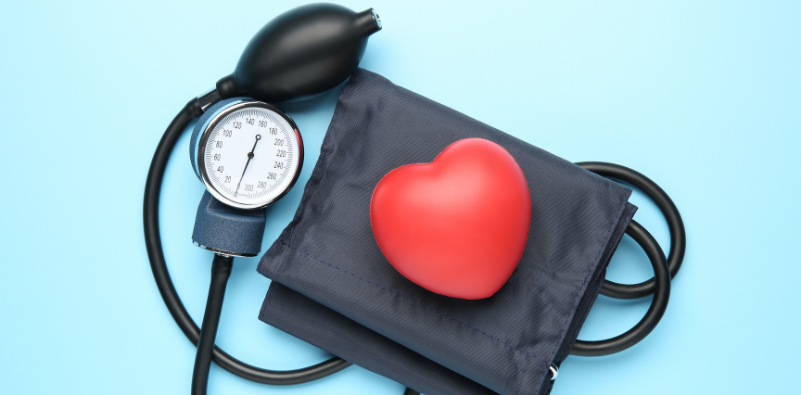
A blood pressure cuff on a blue background with a red heart resting on top of the cuff.

High blood pressure often develops without obvious symptoms. During a routine eye exam, your optometrist may notice changes in the retinal blood vessels, such as narrowing, small bleeds, swelling or signs that blood flow has been affected.

An eye exam cannot diagnose high blood pressure on its own, but these findings can be a useful warning sign. If we spot anything unusual, we may recommend that you contact your GP for blood pressure checks and further advice. Early action can help reduce the risk of stroke, heart disease and eye problems.

2. Diabetes and eye health

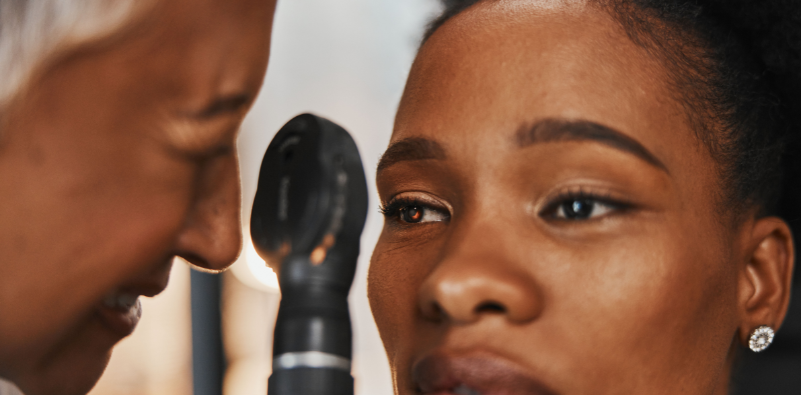
An optometrist examining a patient’s eye with a retinoscope.

Diabetes and eye health are closely connected because high blood sugar can affect the small blood vessels that supply the retina. Over time, this may lead to diabetic retinopathy, which can develop gradually without early symptoms.

During an eye test, we look for signs such as tiny bleeds, leaking vessels, retinal swelling or changes in the appearance of the back of the eye. If you have diabetes, NHS diabetic eye screening remains essential and is separate from your regular optician appointment. However, a routine eye exam is still important for checking your prescription, monitoring eye health and identifying other concerns.
3. High cholesterol

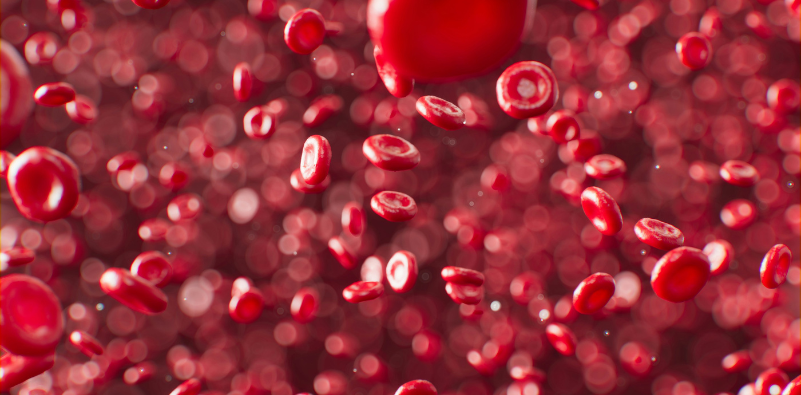
A graphic of red blood cells flowing through the bloodstream.

Cholesterol is a fatty substance found in the blood. Your body needs some cholesterol, but too much can contribute to narrowed or blocked arteries. In some cases, cholesterol-related changes may be visible in or around the eyes.

During your eye exam, we may notice pale rings around the cornea, yellowish deposits around the eyelids, or plaques in retinal blood vessels. These signs do not automatically mean high cholesterol, but may suggest a GP review would be sensible. Managing cholesterol early can support both cardiovascular health and long-term eye health.

4. Neurological changes

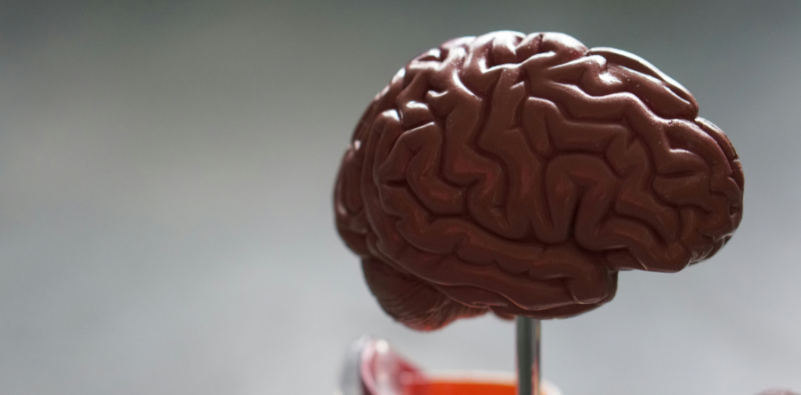
A close-up of a model brain on a stand.

Your eyes are directly connected to your brain through the optic nerves. Because of this, certain neurological changes can affect vision, eye movement, pupils or the appearance of the optic nerve.

During an eye exam, we check your visual fields, how your pupils react to light, how your eyes move together and whether the optic nerve looks healthy. Sudden double vision, unexplained vision loss, new blind spots, persistent headaches or optic nerve swelling may need prompt medical attention. Where necessary, we can refer you.

5. Autoimmune and inflammatory conditions

A medical illustration of the torso, highlighting nerves and abdominal organs.

Some autoimmune and inflammatory diseases can affect the eyes, including rheumatoid arthritis, inflammatory bowel disease and sarcoidosis. These conditions may cause inflammation in or around the eye, sometimes before a person connects their symptoms with a wider health issue.
Signs can include redness, light sensitivity, eye pain, dry eye, blurred vision or uveitis, which is inflammation inside the eye. Early assessment is important because inflammation can be uncomfortable and, in some cases, may put your sight at risk. Treatment and monitoring can help protect your vision.

Why choose Robinson Optometrists in Monkseaton?

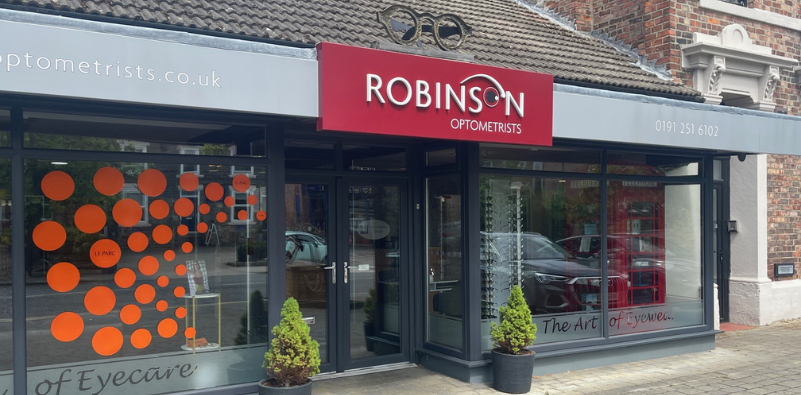
An image of the exterior of Robinson Optometrists.

At Robinson Optometrists, we combine friendly North East care with clinical attention to detail. Our eye exams can include retinal photography, an Advanced Retinal CT 3D scan and our OCT eye test technology, which captures detailed images of the retina, optic nerve and blood vessels. It is painless, non-invasive and brilliant for monitoring subtle changes over time.

For most adults, an eye exam is recommended every two years, or more often if advised by your optometrist. If you have diabetes, high blood pressure, high cholesterol, inflammatory disease, neurological symptoms, or a family history of eye disease, we may recommend a tailored recall.

Ready to see the bigger picture when it comes to your health? Book your eye exam at Robinson Optometrists today and let’s look after your eyes — and perhaps a little more besides.

Spring Eyewear Trends: The Frames and Colours to Try Now

As spring arrives with lighter days and the promise of warmer weather, many of us feel the pull to refresh our personal style. Eyewear trends offer one of the most impactful ways to do exactly that. We know that choosing new frames isn’t just about vision correction — it’s about finding eyewear that reflects your personality whilst delivering the exceptional quality and expert care you deserve. With over three decades of award-winning eyecare in Monkseaton, we combine clinical expertise with a genuine passion for fashion-led eyewear.

The Must-Have Frame Shapes This Spring

A young woman outside next to a tree with white blossoms, wearing round glasses.

This season’s eyewear landscape offers something for every style preference and face shape.

Bold Oversized Frames continue to dominate, delivering confident, statement-making looks that suit fashion-forward individuals. Oversized styles work particularly well for those with smaller facial features, creating balance and structure. If you have a round or oval face, geometric oversized frames add definition; softer, rounded oversized styles complement more angular features beautifully.

Retro-Inspired Styles bring vintage charm to modern life. Drawing from the 1970s and 1990s, classic aviators, round eyewear frames, and slim rectangular shapes evoke timeless elegance whilst feeling entirely contemporary. These suit anyone who appreciates heritage design with a current edge.

Minimalist, Lightweight Frames are ideal for those who prefer understated sophistication. Ultra-lightweight constructions provide all-day comfort and suit virtually all face shapes — particularly polished choices for professional environments.

Our team takes the time to understand your needs, ensuring you find frames that complement your features and fit your lifestyle.

Spring Colour Trends to Refresh Your Look

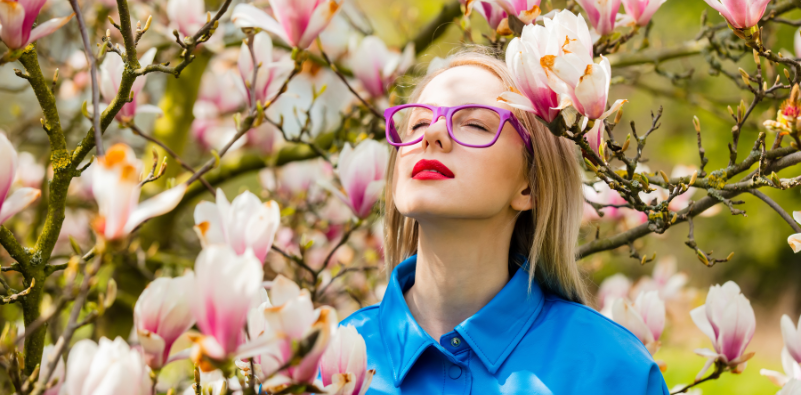
A young woman wearing a pair of pink glasses outside next to a tree with pink and white flowers.

Colour is central to this season’s eyewear aesthetic, with several key palettes leading the way.

Soft Pastels — think pinks, lilacs, and sage green — capture spring’s optimistic spirit perfectly. These subtle colour trends work especially well for cooler skin tones, adding a sophisticated lift without overwhelming your overall look.

Transparent and Clear Frames offer versatile elegance that transcends seasonal trends. Their barely-there appearance suits all skin tones and face shapes, making them one of the most universally flattering choices available.

Bold Pops of Colour — cobalt blue, warm amber, rich burgundy — allow your eyewear to become a true fashion accessory. These shades work brilliantly for those with strong personal style who see their glasses as an extension of their identity.

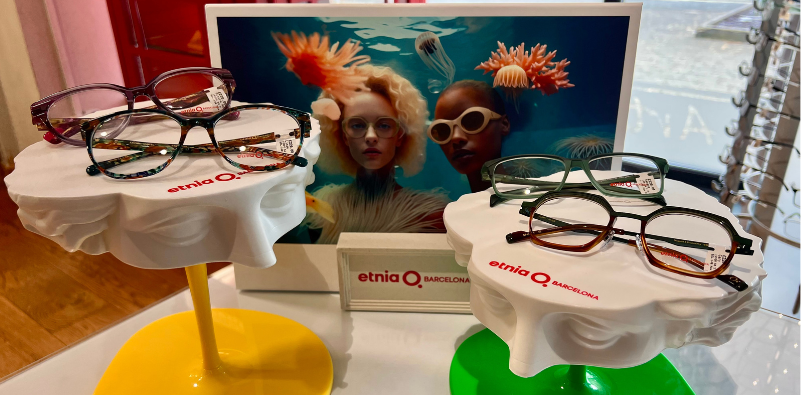
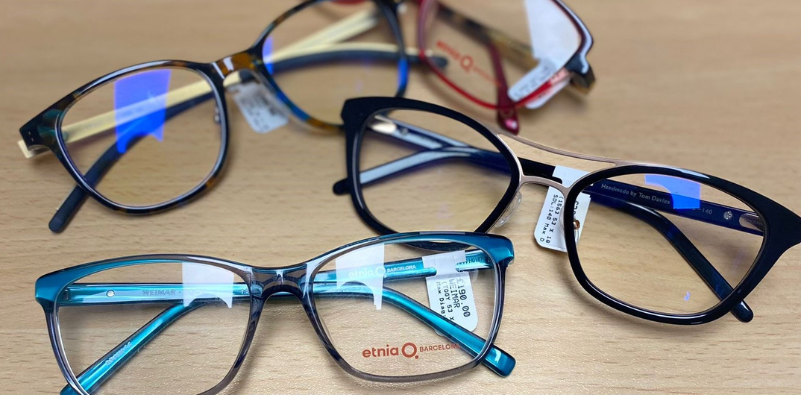
We proudly stock frames from Etnia Barcelona and Morel, both of which exemplify the colour innovation and superior craftsmanship that define the best designer eyewear brands today.

Designer Frames to Watch This Season

A pair of Tom Ford glasses on display at Robinson Optometrists.

Our curated collection includes some of the most sought-after names in eyewear right now:

  • Tom Ford frames — bold, glamorous Italian craftsmanship that makes an immediate impression, perfect for those who want high-fashion eyewear with an unmistakable designer pedigree.
  • Prada frames — the pinnacle of Italian fashion-forward design, appealing to trend-conscious individuals who demand both quality and cutting-edge aesthetics.
  • Ted Baker frames — quintessentially British charm meets modern refinement, ideal for those who want personality without sacrificing polish.
  • Oakley frames — performance-driven innovation for active individuals who need eyewear that keeps pace with a demanding lifestyle without compromising on style.
  • Ray-Ban — the gold standard for timeless, effortlessly stylish designs that never go out of fashion.

Each brand in our collection reflects our commitment to quality, craftsmanship, and variety.

Finding the Right Frames for You

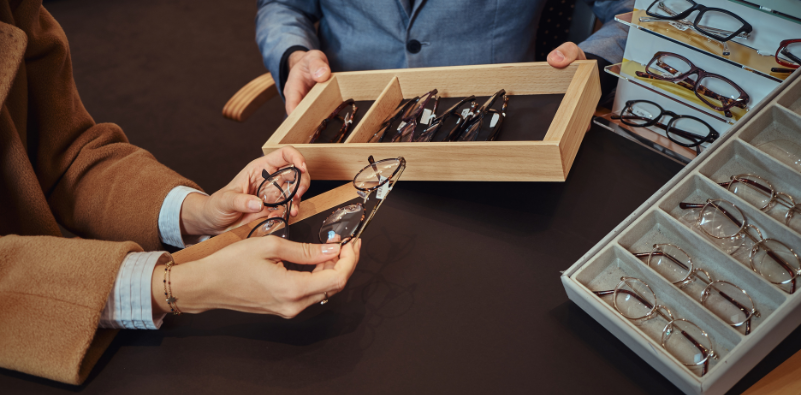
An optician helping a patient choose a new pair of glasses at the opticians.

Selecting the right eyewear for face shape is simpler than you might think. Round faces benefit from angular, geometric frames that add definition. Square faces are softened by rounded or oval styles. Heart-shaped faces look great with frames wider at the bottom, and oval faces — the most versatile shape — can carry almost any style with confidence.

Beyond face shape, consider your skin tone. Warmer tones suit tortoiseshell, gold, and amber; cooler tones pair beautifully with silver, black, and jewel shades.

Ready to find your perfect spring frames? With over 1,000 frames to choose from and a team that genuinely loves helping you find the right fit, we’ll make sure you leave with eyewear you’ll love wearing every day. Visit our Whitley Bay practice today.

5 Signs You Should Book A Hearing Test

Hearing loss is one of those things that tends to sneak up on us gradually—so much so that many people don’t realise they’re experiencing it until family members start pointing it out. The good news? Early intervention can make a tremendous difference to your quality of life, helping you stay connected with loved ones and engaged in the activities you enjoy most. Here at Robinson Optometrists in Whitley Bay, we’re delighted to offer hearing tests as part of our comprehensive approach to your health and wellbeing.

What Are the Key Signs You Might Need a Hearing Test?

A family selfie with multiple generations including grandchildren, parents and grandparents.

If you’ve been wondering whether it’s time for a hearing check, these five common signs might help you decide.

1. You’re Constantly Asking People to Repeat Themselves

One of the most telltale hearing loss symptoms is finding yourself saying “pardon?” or “what was that?” more frequently than usual. If family members or colleagues are starting to comment on how often you ask them to repeat things, it might be time to investigate whether your hearing has changed.

2. Phone Conversations Have Become Challenging

Struggling to hear clearly during phone calls is another common indicator of mild hearing loss. You might find yourself switching the phone from ear to ear, or asking callers to speak up more than you used to. Phone conversations can be particularly tricky because we rely solely on auditory cues without visual context.

3. The TV Volume Keeps Getting Louder

If your family’s been complaining about the television volume, or you’ve noticed you need to turn it up higher than before to hear dialogue clearly, this could signal changes in your hearing. Many people with developing hearing loss find they need to increase volumes on various devices to comfortable listening levels.

4. Group Conversations Feel Overwhelming

Hearing in busy environments—like restaurants, family gatherings, or meetings—often becomes more difficult when hearing loss develops. You might find yourself struggling to follow conversations when there’s background noise, or feeling exhausted after social events because you’ve been working so hard to hear what’s being said.

5. You’re Experiencing Ringing in Your Ears

Ringing in ears, medically known as tinnitus, can sometimes accompany hearing loss. These tinnitus symptoms might include buzzing, humming, or whistling sounds that seem to come from inside your ears. Whilst tinnitus can have various causes, it’s worth having it assessed alongside your hearing.

Why Choose Robinson Optometrists for Your Hearing Care?

A patient discussing hearing aids with an audiologist in a clinical environment.

We’ve expanded our services to include hearing care because we believe in taking a holistic approach to your health. Just as we care for your vision, we want to ensure your hearing is also properly looked after. Our complimentary hearing test offers a convenient first step towards better hearing health, and you can trust that you’re receiving the same personalised, community-focused care that Whitley Bay residents have come to expect from us.

What Does a Hearing Test Involve?

 A patient having a hearing test with an audiologist in a clinical setting.

Many people feel a bit nervous about hearing tests, but there’s really nothing to worry about. During your appointment with us, we’ll:

Test Your Hearing Levels: We use specialised equipment to check how well you can hear different frequencies and volumes. This helps us create a complete picture of your hearing health.

Provide a Comfortable Experience: The entire process is quick, non-invasive, and completely painless. You’ll simply listen to various tones through headphones and respond when you hear them.

Explain Your Results: We’ll discuss what the results mean for your everyday life and hearing health, ensuring you understand everything clearly.

Discuss Next Steps: If we do detect any hearing changes, we’ll talk through your options, which might include further assessments or exploring hearing aid solutions that could help improve your quality of life.

Taking the First Step Towards Better Hearing

Don’t let potential hearing loss hold you back from fully enjoying conversations, entertainment, and social activities. Whether you’ve recognised some of these signs in yourself or you’re concerned about a loved one, booking a hearing check is a simple way to get answers and peace of mind.

Ready to take control of your hearing health? Contact Robinson Optometrists today to book your complimentary hearing test. Our friendly team in Whitley Bay is here to support you every step of the way. Book your appointment online or give us a call—we’d love to help you hear life’s precious moments more clearly.

Sunglasses: The Perfect Gift for Any Occasion

When you’re hunting for the perfect gift this Christmas, especially for the fashion lover in your life, look no further than a stunning pair of sunglasses. There’s something truly special about gifting eyewear—it’s not just practical protection from the sun, but a statement piece that can completely transform someone’s look. Whether your loved one is a trendsetter who loves pushing boundaries or someone who appreciates classic elegance, the right pair of sunglasses can be an absolute game-changer for any fashionista’s wardrobe.

Kaleos: For the Bold and Beautiful

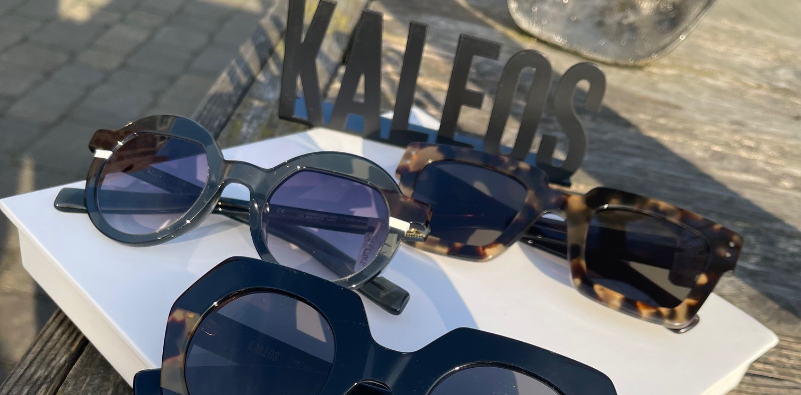
A selection of Kaleos sunglasses on a white block, with a metal ‘KALEOS’ logo positioned behind them

Let’s start with Kaleos sunglasses—a brand that’s absolutely perfect if you’re shopping for someone who isn’t afraid to make a statement. Kaleos has made quite a name for itself in the world of high-fashion eyewear, and honestly, it’s not hard to see why. Their designs are nothing short of spectacular, blending art with eyewear in ways that’ll have people doing double-takes on the street.

What makes Kaleos so special is their commitment to creating truly unique pieces. We’re talking avant-garde styles that are perfect for those who want their accessories to spark conversations. The craftsmanship is exceptional too—they use premium acetate and stunning metal detailing that adds that luxurious touch everyone loves. Every pair feels substantial and well-made, which means as far as Christmas present ideas go, they will be cherished for years to come.

The attention to detail in Kaleos frames is remarkable. From the intricate patterns in their acetate to the precision of their metal work, these aren’t just sunglasses—they’re wearable art. If you’re looking for ideas for Christmas presents for someone who sees fashion as self-expression, Kaleos is spot-on.

Ray-Ban: Timeless Appeal That Never Goes Out of Style

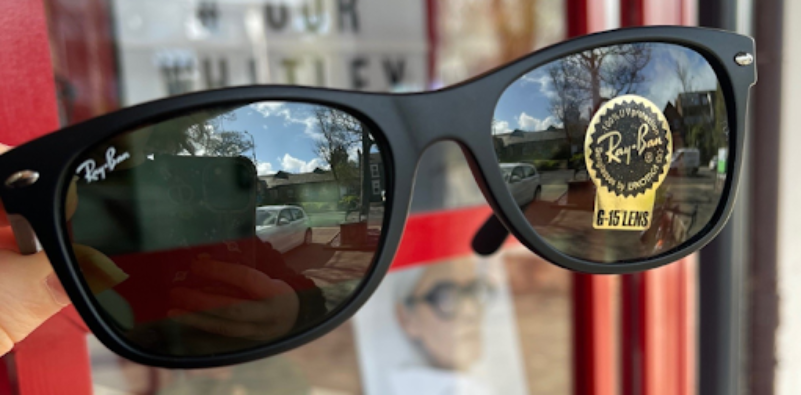
A close up of a person holding a pair of black Ray-Ban sunglasses.

Now, if your gift recipient appreciates classic style with a modern twist, Ray-Ban sunglasses are absolutely ideal. There’s a reason Ray-Ban has been a household name for decades—they’ve mastered the art of creating eyewear that’s both fashionable and functional.

Ray-Ban’s history is fascinating, really. From their iconic Aviators that were originally designed for pilots to the legendary Wayfarers that became synonymous with cool, this brand has consistently delivered styles that stand the test of time. What’s brilliant about Ray-Ban is their versatility—whether your loved one has a round face, square jawline, or anything in between, there’s a Ray-Ban style that’ll suit them perfectly.

Beyond looking fabulous, Ray-Ban sunglasses offer superior UV protection and incredibly durable construction. When you’re investing in designer sunglasses as a gift, you want to know they’ll provide proper eye protection whilst looking effortlessly stylish. Ray-Ban delivers on both fronts, making them the perfect balance of classic elegance and modern functionality.

Why Choose Robinson Optometrists for Your Christmas Shopping?

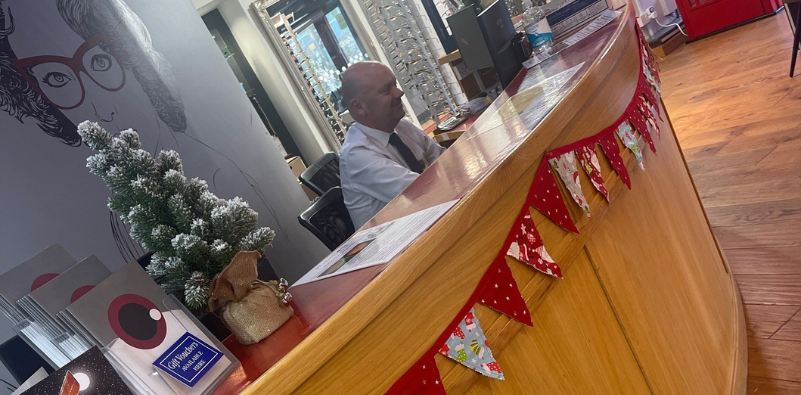
A photo of the interior of Robinson Optometrists with a person sat at the reception desk which has been decorated with a mini Christmas tree and festive bunting.

Here at Robinson Optometrists in Whitley Bay, we absolutely love helping our customers find that perfect pair of sunglasses. Christmas shopping for eyewear can feel a bit daunting—after all, you want to get it just right—but that’s where our expertise comes in handy.

Our team knows both Kaleos and Ray-Ban collections inside and out, and we’re always ready to offer personalised advice. Whether you’re thinking about style preferences, colour choices, or the perfect fit for your gift recipient, we’ll guide you through the selection process. There’s something quite special about being able to see and try different frames in person, and we’ve got a wonderful selection of top-quality brands to choose from.

We understand that choosing designer sunglasses as a gift is about more than just the practical aspects—it’s about finding something that truly reflects the recipient’s personality and style. That’s why we take the time to understand what you’re looking for and help you make the best choice.

Make This Christmas Extra Special

Ready to find the perfect eyewear gift? Whether you’re drawn to the bold, artistic flair of Kaleos or the timeless appeal of Ray-Ban, we’d love to help you choose something truly special. 

Pop by our Whitley Bay practice for a chat, or give us a call to discuss your options.Contact us today and let’s make this Christmas memorable. After all, the best gifts are the ones that make someone feel confident and stylish every time they wear them.

Tips for Driving at Night: Improve Your Vision and Safety

Driving at night can feel like navigating through a completely different world compared to daytime motoring. The familiar roads around Whitley Bay and Newcastle suddenly become more challenging, with reduced visibility making every journey require extra concentration and care. Recent research reveals that a quarter of UK drivers are now driving less at night due to increasingly bright headlights from oncoming vehicles, whilst six in ten drivers say the headlight glare problem has worsened in just the past 12 months. If you’ve found yourself feeling less confident behind the wheel once darkness falls, you’re certainly not alone – and there are practical solutions that can help.

What Makes Night Driving So Challenging?

A long exposure of car headlights and taillights on a motorway at night.

Reduced Visibility in Low Light

When the sun sets, our eyes naturally struggle to adapt to the dramatic change in lighting conditions. Your pupils dilate to let in more light, but this process takes time and doesn’t provide the same clarity you enjoy during daylight hours. Road signs, pedestrians, and potential hazards become much harder to spot, requiring you to slow down and maintain greater following distances.

Headlight Glare from Oncoming Traffic

Modern vehicles increasingly use LED and bi-xenon bulbs that create more intense beams than traditional halogen lights. This technological advancement improves visibility for the driver using them, but can be genuinely problematic for everyone else on the road. Nearly a fifth of drivers report feeling tired and fatigued due to bright headlights, whilst 16% have experienced headaches or eye pain. The glare can temporarily impair your vision, making it difficult to judge distances and spot hazards.

Driver Fatigue and Concentration

Night driving naturally demands more mental energy as your brain works harder to process visual information in reduced lighting. Combined with the end-of-day tiredness many of us experience, this can significantly impact reaction times and decision-making abilities

Practical Solutions for Safer Night Driving

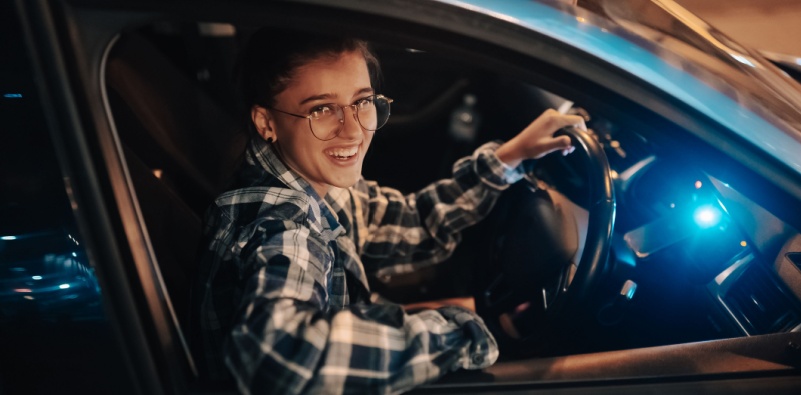
A woman wearing a pair of glasses, driving her car at night.

Keep Your Windscreen Spotlessly Clean

A windscreen that looks fine during the day can scatter light dramatically at night, creating dangerous visibility issues. Clean both the inside and outside regularly, paying particular attention to removing any film or smears that could amplify glare from oncoming headlights.

Invest in Anti-Reflective Lenses

Night driving glasses with anti-reflective coatings can significantly reduce the impact of headlight glare. These lenses minimise reflections and improve contrast, helping your eyes cope better with the challenging lighting conditions you’ll encounter after dark. 

HOYA EnRoute lenses are specifically designed for driving at night time, featuring coatings that reduce glare whilst enhancing contrast and colour perception. These innovative glasses for driving at night can make a remarkable difference to your confidence and comfort behind the wheel.

Maintain Your Vehicle’s Lighting System

Ensure your own headlights are properly aligned and clean. Dirty or misaligned headlights not only reduce your own visibility but can contribute to the glare problems other drivers experience. Replace any dimming bulbs promptly and consider having your headlight alignment checked annually.

Take Regular Breaks and Stay Well-Rested

Night driving is more tiring than daytime motoring, so plan longer journeys with regular breaks. If you’re feeling drowsy or struggling to concentrate, find a safe place to stop and rest. Your safety and that of other road users is far more important than arriving a few minutes earlier. Daniel Craig stepped into the role of James Bond, his choice of Tom Ford eyewear wasn’t coincidental – it perfectly captured the sophisticated, dangerous edge that defines the character. Brad Pitt’s off-duty style frequently features Tom Ford frames, proving that true style transcends red carpets and premieres.

Taking Proactive Steps for Better Night Vision

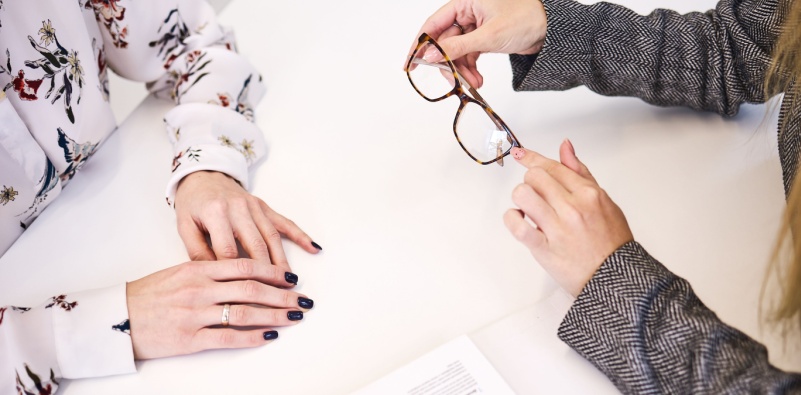
An optician assisting a patient with choosing a new pair of glasses and lenses.

The challenges of driving at night are real, but they don’t have to keep you from maintaining your independence and mobility. By implementing these practical solutions – from keeping your windscreen immaculate to investing in specialist driving lenses – you can significantly enhance both your vision and safety during evening journeys.

As your trusted opticians in Whitley Bay, we understand how important it is for our community members to feel confident driving after dark. Whether you’re commuting home from work, taking the family to evening activities, or simply wanting to maintain your freedom to travel when you choose, the right eyecare solutions can make all the difference.
Ready to improve your night driving experience?

Contact Robinson Optometrists today to learn more about night driving glasses and anti-glare lenses designed to help you see clearly and drive safely, whatever the time of day.

Make The Street Your Runway With Tom Ford Glasses

Step into the spotlight and let your eyewear make the statement you’ve always wanted to make. Tom Ford glasses aren’t just frames for your face – they’re a declaration of sophistication, a nod to timeless elegance, and your ticket to channelling the same magnetic confidence that defines the Tom Ford empire. Here at Robinson Optometrists in Whitley Bay, we’re thrilled to offer you access to this iconic collection that transforms everyday moments into runway-worthy experiences.

The Legacy Behind the Luxury: Tom Ford’s Design Journey

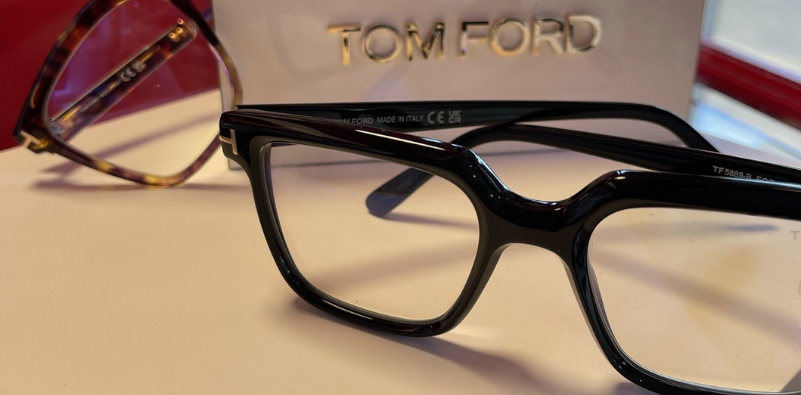
A close-up of a pair of black Tom Ford glasses, in front of Tom Ford branded point of sale.

Before Tom Ford became synonymous with modern luxury, he was the visionary force behind some of fashion’s most memorable moments at Gucci and Yves Saint Laurent. His transition from revitalising heritage fashion houses to creating his own empire speaks to an uncompromising dedication to craftsmanship and style that’s evident in every pair of his designer eyewear.

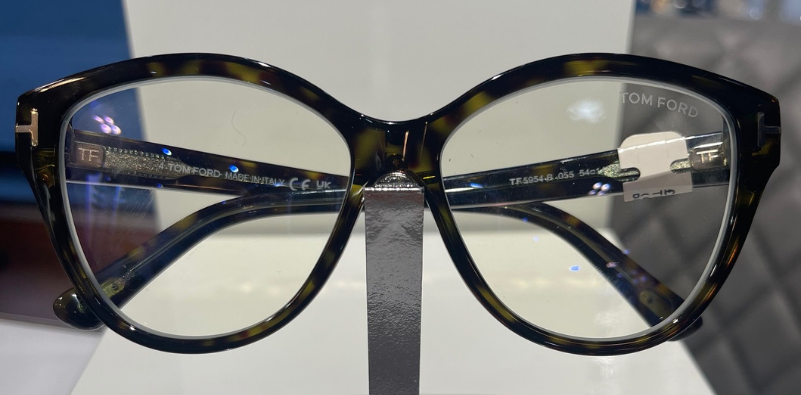
Each frame in the Tom Ford collection tells a story of meticulous attention to detail. From the finest Italian acetate that feels as luxurious as it looks, to the signature ‘T’ hinges that have become an instantly recognisable symbol of prestige, every element is carefully considered. The refined colour palette – think rich tortoiseshells, classic blacks, and sophisticated Havanas – ensures these frames complement rather than compete with your personal style.

How to Style Your Tom Ford Frames for Every Occasion

Classic Confidence for the Boardroom

Tom Ford glasses, men and women both gravitate towards, are clean, architectural lines that command respect in professional settings. The sharp edges and bold proportions create an authoritative presence that says you mean business, whilst the premium materials ensure you look polished from every angle.

Effortless Glamour for Evening Events

When the sun sets and the lights dim, Tom Ford prescription glasses for women become the perfect accessory for sophisticated soirées. Cat-eye silhouettes with subtle embellishments or oversized frames with gradient lenses add that touch of Hollywood glamour to any ensemble.

Retro Revival for Weekend Adventures

Channel vintage charm with round frames or aviator-inspired styles that nod to fashion’s golden eras whilst maintaining thoroughly modern sensibilities. These versatile pieces work beautifully whether you’re browsing the Newcastle markets or enjoying a coastal walk along Whitley Bay.

Join the A-List: Celebrities Who Choose Tom Ford

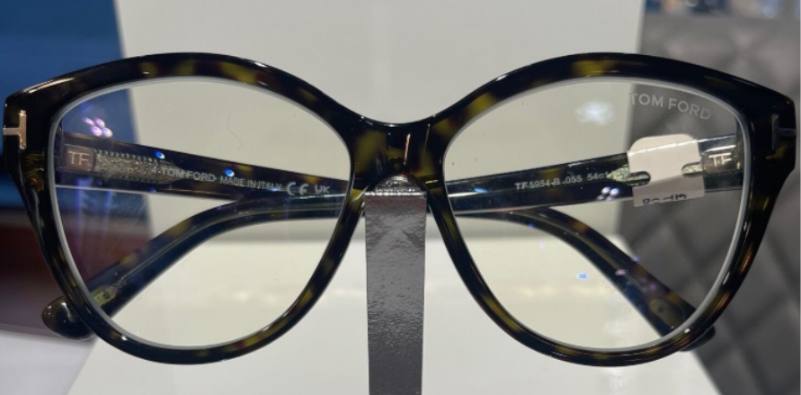
A close-up of a pair of mottled Tom Ford glasses on a metal stand.

When Daniel Craig stepped into the role of James Bond, his choice of Tom Ford eyewear wasn’t coincidental – it perfectly captured the sophisticated, dangerous edge that defines the character. Brad Pitt’s off-duty style frequently features Tom Ford frames, proving that true style transcends red carpets and premieres.

Jennifer Aniston’s timeless appeal is often complemented by her Tom Ford ladies’ eyewear, whilst Rihanna uses bold Tom Ford pieces to punctuate her ever-evolving style narrative. Tom Hiddleston’s intellectual charm is beautifully enhanced by his carefully chosen frames from the collection.

Choosing Tom Ford isn’t simply about selecting eyewear – it’s about joining a legacy of modern icons who understand that true luxury lies in the details.

Why Choose Robinson Optometrists for Your Tom Ford Experience

As your trusted opticians in Whitley Bay, we believe that finding your perfect Tom Ford frames should be as exceptional as the glasses themselves. Our experienced team understands the nuances of each style, helping you discover pieces that not only complement your features but also enhance your individual personality.


We’re not just selling glasses – we’re curating experiences. When you visit our practice, you’re investing in personalised service, expert fitting, and ongoing care that ensures your Tom Ford glasses continue to make you feel confident and sophisticated for years to come.

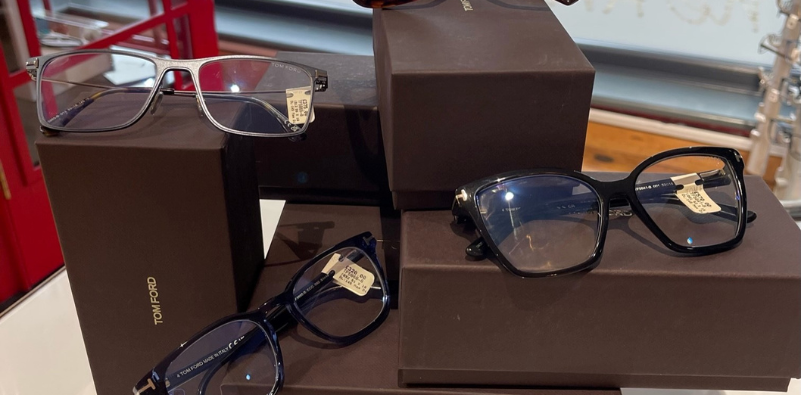
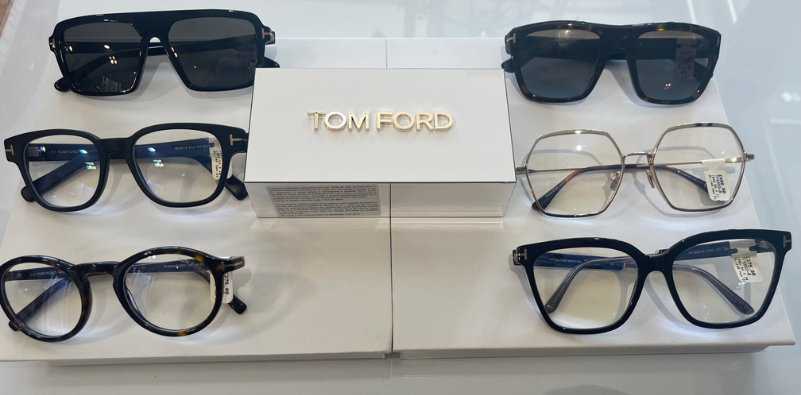
A display of a selection of Tom Ford men’s and women’s glasses and sunglasses.

The street is your runway, and the perfect pair of Tom Ford glasses is waiting to complete your look. Whether you’re drawn to bold statement pieces or prefer understated elegance, our curated Tom Ford collection at Robinson Optometrists offers something to elevate every style.

Ready to discover your next signature pair? Visit us today to explore the Tom Ford collection in person and experience the luxury, craftsmanship, and iconic style that have made Tom Ford eyewear the choice of discerning individuals worldwide.

How to Put Contact Lenses in Like a Pro

Trying contact lenses for the first time can feel a bit nerve-wracking, especially when you’re not sure how to put contact lenses in. Don’t worry, getting the hang of it might be easier than you think! Whether you’re new to contact lenses or just looking to refresh your care and hygiene routine, we’re here to guide you through each step.

What You Need to Insert Your Contact Lenses

Over-the-shoulder view of a person preparing to insert a contact lens with a mirror and contact lens solution on the table.

Before you start, make sure you’ve got everything you need on hand. It’s a good idea to be in a well-lit room, have a spare pair of lenses on standby just in case, and keep a mirror handy too so you can see exactly what you’re doing. If your lenses are two-weekly or monthlies, i.e., reusable and need to be stored when removed, have a clean case and fresh solution at the ready.

How Do You Put Contact Lenses in Safely?

Man in his bedroom looking in the mirror while inserting a contact lens into his eye.

Now for the main event! Here’s a simple guide to help you insert your contact lenses confidently:

  1. Wash and dry your hands thoroughly – Clean hands are a must before you touch your lenses.
  2. Check the lens – Make sure the lens is in good condition and not inside out. It should form a perfect bowl. If the edges flare out, it’s inside out.
  3. Place the lens on your finger – Use your dominant hand to gently place the lens on your forefinger.
  4. Prepare your eyes – With your non-dominant hand, gently pull your upper eyelid up and your lower eyelid down. Some of you may feel comfortable and able to just pull your lower lid down.
  5. Insert the lens – Slowly place the lens on your eye until you feel all of it has settled.
  6. Centre the lens – Blink a few times to help position it and feel comfortable.

How to Remove Contact Lenses Without Trouble

Contact lenses in a storage case with solution being poured from a bottle.

Removing contact lenses is just as important as putting them in. Here’s how to do it safely:

  1. Wash and dry your hands thoroughly – It’s rinse and repeat! This will prevent bacteria and dirt transfer to your eyes.
  2. Look up – Tilt your head back slightly and look up.
  3. Pull down the lower lid – Use your non-dominant hand to gently pull your lower eyelid gently down.
  4. Pinch the lens – With your thumb and forefinger, gently pinch the lens together.
  5. Remove the lens – Once you’ve got a firm hold, gently take the lens off your eye.
  6. Store lenses – If you’re wearing reusable contact lenses, place the lens in a clean contact lens case with fresh solution to keep it clean for the next use.

Common Contact Lens Problems and How to Overcome Them

Close-up of a person applying eye drops to their eye.

It’s completely normal to face a few challenges when you’re new to wearing contact lenses, so we’ve put together some top tips to help you feel confident:

  • Difficulty keeping eyes open: Taking a few deep breaths, looking away from the mirror and relaxing your jaw and eyes can help. 
  • Lens sticking or drying out: Apply a few eye drops recommended by our optometrist to add moisture to the lens. Avoid wearing lenses for long periods of time – 12 hours is usually a good rule of thumb.
  • Lens not staying in place: Gently blink, move your eye around, or close your eye and gently massage your eyelid to help the lens centre. Sometimes adding moisture with eye drops can help too.

What to Expect During Your Contact Lens Fitting and Aftercare

Optician showing a child how to insert contact lenses during a contact lens consultation and fitting appointment.

We understand how important it is to feel confident when it comes to wearing your lenses. During your contact lens appointment, our experienced optometrists will guide you through inserting and removing lenses correctly. We’ll show you how to practice these steps until you feel comfortable doing it on your own.

Once your lenses are fitted, we offer regular aftercare appointments to check the health of your eyes and ensure they are still comfortable. If you ever have any questions, don’t hesitate to reach out for advice and troubleshooting.

Get Expert Help with Contact Lenses

Getting used to contact lenses might take a little practice, but with the right guidance, you’ll soon be an expert! The team at Robinson Optometrists is here to support you every step of the way.

Contact us to book your contact lens fitting or for advice on how to wear your lenses safely and comfortably.

Parents, It’s Time for a Kids Eye Test – Here’s Why It Matters

Picture this: it’s another busy morning in your household. You’re rushing to get the children ready for school, checking they’ve got their PE kit, making sure homework is in their bags, and hoping you’ll make it to work on time. Amidst all this chaos, there’s one thing that might not be on your radar but absolutely should be – your child’s vision. A kid’s eye test isn’t just a box to tick; it’s a cornerstone of your child’s learning, development, and confidence. Here at Robinson Optometrists in Whitley Bay, we see firsthand how clear vision transforms children’s lives, and we’re here to explain why regular eye examinations matter more than you might think.

Why Your Child’s Vision is the Key to Their Learning Success

Alt text – A dad helping his young daughter, who is wearing glasses, do homework in the kitchen.

Did you know that up to 80% of what children learn in the classroom is visual? From reading books to copying notes from the whiteboard, clear vision is absolutely essential for academic success. When children struggle with undiagnosed vision problems, it can affect their reading ability, writing skills, concentration levels, and even their behaviour in class.

The tricky thing is, children often don’t realise they can’t see clearly – they simply assume everyone sees the world the same way they do. A child with short-sightedness might think it’s perfectly normal that the writing on the board looks blurry, whilst a youngster with a lazy eye may not even notice they’re relying more heavily on one eye than the other. This is why regular eye tests are so crucial – they catch problems before they impact your child’s education.

How Vision Problems Affect Daily Life Beyond the Classroom

A happy Indian girl holding a football on a field

Clear vision isn’t just about schoolwork – it plays a vital role in every aspect of your child’s day-to-day life. Think about your little footballer trying to track the ball across the pitch, or your budding dancer watching themselves in the studio mirror to perfect their moves. Even simple playground activities like spotting friends across the schoolyard or playing catch require good eyesight.

When children struggle with vision problems, it can knock their confidence and affect their social interactions. They might appear clumsy, avoid certain activities, or become frustrated without understanding why. A comprehensive child’s eye test can identify these issues early, ensuring your child doesn’t miss out on the joys of childhood activities.

Understanding How Quickly Children’s Eyes Can Change

A young school boy sat behind the phoropter at the optician's, ready for an eye test.

Children’s eyesight can change remarkably quickly as they grow and develop. What was perfectly clear vision six months ago might not be the case today. This rapid change is completely normal, but it’s exactly why regular check-ups are so important.

Early detection of common conditions like short-sightedness, long-sightedness, or lazy eye means treatment can begin promptly when it’s most effective. The good news? The NHS free eye test means there’s no cost barrier to keeping your child’s vision in tip-top condition. These appointments are designed to be simple, stress-free, and even quite fun for little ones.

Why Choose Local Opticians in Whitley Bay

A photo of the outside of Robinson Optometrists, focusing on the signage outside the building, featuring eyewear window displays.

As your local opticians in Whitley Bay, we understand the unique needs of families in our community. We know how busy life can be, juggling work, school runs, and after-school activities around Newcastle and the surrounding areas. That’s why we’ve made our children’s eye tests as convenient and comfortable as possible.

Our experienced team knows exactly how to put young patients at ease, using child-friendly equipment and techniques that make the whole experience positive. We’re not just checking boxes – we’re investing in your child’s future success and happiness.

Ready to Support Every Moment of Learning and Play?

A mother and father reading a book to their two young boys.

Your child’s vision is too important to leave to chance. Whether they’re tackling their times tables, perfecting their penalty kicks, or simply enjoying story time before bed, clear sight makes every moment brighter and more successful.

Don’t wait until you notice a problem – many vision issues develop gradually and aren’t immediately obvious. Book your child’s next eye test with us today and give them the clear vision they need to thrive in every aspect of their young lives.

Ready to take that important step? Contact Robinson Optometrists today to schedule your child’s eye test. Because when your little ones see clearly, their whole world opens up with possibilities.

Photochromic Lenses Explained

Every glasses-wearer knows the struggle – one minute you’re indoors with crystal clear vision, then dazzled by sunlight the moment you step outside. Then there’s the constant juggling between regular specs and sunglasses, the fumbling in your bag or, worse still, forgetting your shades entirely and spending the day squinting.

Photochromic lenses offer an elegant solution to this age-old problem. These clever glasses that change in sunlight automatically adapt to different lighting conditions, giving you perfect vision, whether you’re pottering about the kitchen or basking in the garden. At Robinson Optometrists, we’re particularly excited about HOYA Sensity lenses, which represent some of the most advanced technology available in this category.

What are photochromic lenses?

A person holding a pair of glasses with photochromic lenses against the sky.

Think of photochromic lenses as the chameleons of the eyewear world. They automatically darken when exposed to bright light and return to clear when you’re back indoors. It’s like your regular prescription glasses and sunglasses rolled into one.

These innovative lenses don’t just adjust to brightness – they also provide excellent UV protection, shielding your eyes from those rays we can’t see but which can affect our long-term eye health.

The science behind the magic

A diagram showing how a photochromic lens changes when light is present.

The secret sauce lies in special light-sensitive molecules embedded within the lens material. When they’re hit by UV light, a chemical reaction causes them to change structure and darken the lens. When the UV light disappears (like when you go indoors), the molecules return to their original state, and the lens becomes clear again. Modern photochromic lenses respond remarkably quickly to these changes – and they’re built to last.

Why HOYA Sensity lenses are something special

Sourced from HOYA Lens UK. Image of a man and his son outside wearing HOYA Sensity lenses.

HOYA has built an outstanding reputation as an innovator in optical solutions, and its Sensity range shows why the brand is considered a leader in the field. These aren’t your average photochromic lenses – they’re engineered with precision.

HOYA Sensity lenses boast impressively fast transition times. The colours you see remain true-to-life, whether the lenses are clear or tinted, giving you natural vision in every situation. Indoors, they provide exceptional clarity that rivals the best standard lenses.

They’re also reliable across different climates. Some older photochromic technologies can be sluggish in colder weather, but HOYA Sensity lenses activate effectively even when there’s a chill in the air.

These lenses also offer comprehensive protection from both UV rays and blue light, supporting your eye health throughout the day.

Expert guidance from your local Optometrists

An optician holding up two spectacle lenses for a patient.

Choosing the right lenses can feel overwhelming with so much choice available. That’s where our experienced team comes in. As your trusted opticians in Whitley Bay, we take time to understand your lifestyle, daily activities and vision needs before recommending suitable lens options for you.

Our team has extensive knowledge of HOYA’s full range and can explain how their different photochromic lenses might work for your specific requirements. Whether you spend most of your time indoors, enjoy outdoor sports or drive frequently, we’ll help you find your ideal match.

Ready to discover how HOYA Sensity photochromic lenses could transform your daily vision experience?  Get in touch today. Better yet, pop in and let our friendly team show you the full range of options.