
Glaucoma: The Eye Condition That Gives No Warning Signs (And Why Eye Tests Matter)

Most people book an eye test because their vision has changed. Yet some eye conditions can develop when your sight feels normal. Glaucoma is one of them. It can affect the optic nerve gradually, often without pain, redness or obvious blur, which is why regular checks matter.
We encourage adults, especially those aged 40 and over, to check when they last had a full eye examination.
What Is Glaucoma?
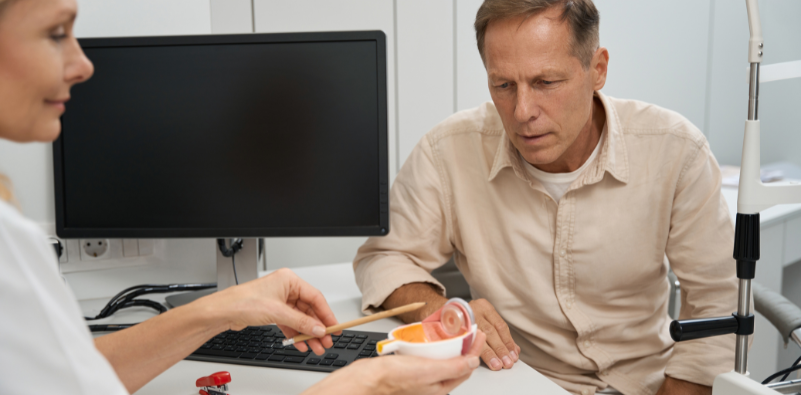
What is glaucoma? In simple terms, it is a group of eye conditions where the optic nerve, which sends visual information from the eye to the brain, becomes affected over time. This is often linked to raised pressure inside the eye, although glaucoma can also occur when eye pressure appears normal.
The challenge is that sight changes from glaucoma usually happen slowly. Early changes often affect your peripheral, or side, vision first. Because both eyes work together, your brain may fill in missing information, so you may not notice anything is different. Once vision has been affected by glaucoma, it usually cannot be restored, so early detection matters.
What Are the Main Glaucoma Symptoms?
Glaucoma symptoms can be difficult to spot in the early stages. Many people have no symptoms at all. There may be no discomfort, no sudden change in vision and no obvious sign in the mirror.
As glaucoma progresses, some people may notice patchy vision, blurred areas, difficulty seeing at the edges of their vision, or problems with everyday tasks such as driving, reading or moving around confidently. These changes can be subtle, so waiting for symptoms is not the best approach.
Who Is More At Risk?

Anyone can develop glaucoma, but your risk may be higher if you are over 40, have a close family member with glaucoma, are from a Black African, Caribbean or Asian background, are short-sighted, have diabetes, or have raised eye pressure or high blood pressure.
You may be entitled to an NHS eye test if you meet certain criteria, including being aged 60 or over, having diabetes or glaucoma, or being aged 40 or over with a parent, sibling or child who has glaucoma.
Why An Eye Test Matters
A routine eye test does far more than check whether you need new glasses. It gives your optometrist the chance to look closely at the health of your eyes and identify early signs of change before you are likely to notice them yourself.
Assessing for glaucoma may include measuring the pressure inside your eyes, checking your visual field to assess side vision, and examining the optic nerve at the back of the eye. These checks build a clearer picture of your eye health and help us decide whether you need monitoring, advice or referral.
How Does An OCT Eye Scan Help?
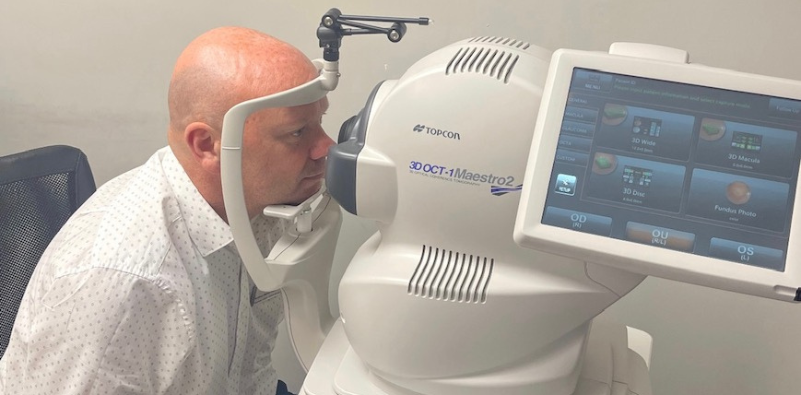
An OCT eye scan is an advanced imaging test that captures detailed, cross-sectional images of the layers at the back of the eye. For glaucoma care, this can be useful because it helps optometrists assess the optic nerve and retinal nerve fibre layers.
At Robinson Optometrists, OCT technology supports our clinical judgement by helping us spot subtle changes over time. It is quick and non-invasive, providing valuable information alongside your eye examination.
How Often Should You Have An Eye Test?
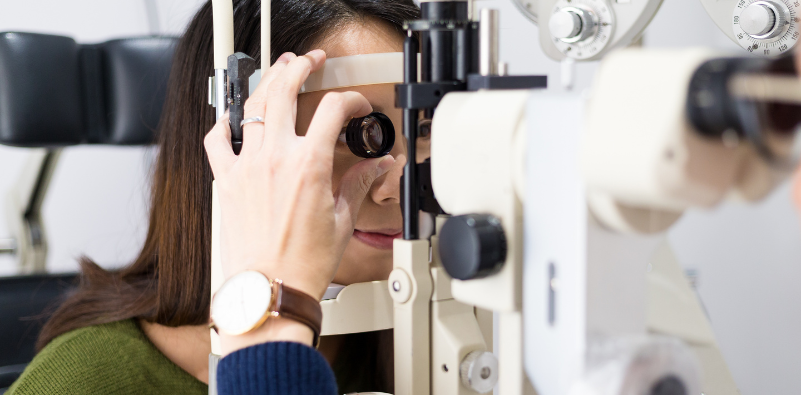
How often should you have an eye test? For most people, every two years is recommended. However, your optometrist may advise more frequent checks if you have risk factors, existing eye conditions, diabetes, a strong family history of glaucoma, or any concerns about your vision.
If you cannot remember your last appointment, or you have been putting it off because your sight seems fine, now is a good time to book.
Protect Your Sight With Local Eye Care
Glaucoma may not give clear warning signs, but a thorough eye test can help identify changes early. Regular checks support your long-term vision and give you peace of mind.
Book your eye test with Robinson Optometrists, your trusted Opticians in Whitley Bay. Our friendly team will take the time to explain each step and help you look after your sight with confidence.