
5 Health Conditions Your Eye Exam Could Help Detect Early

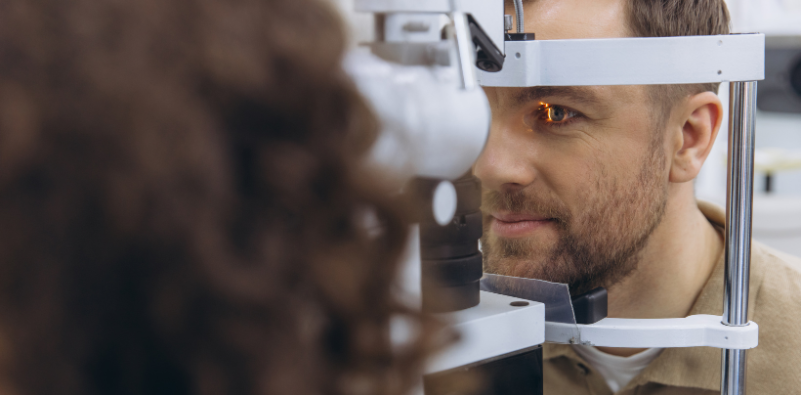
Most people book an eye exam because their vision feels blurred, their glasses need updating, or driving at night has become harder. That matters, but a thorough eye test can also give your optometrist a valuable view of your wider wellbeing.
At Robinson Optometrists in Monkseaton, we examine the retina, optic nerve and tiny blood vessels at the back of the eye. These delicate structures can sometimes show early clues linked to wider health conditions, even before you notice changes in your sight. So, what can eye exams detect?
1. High blood pressure
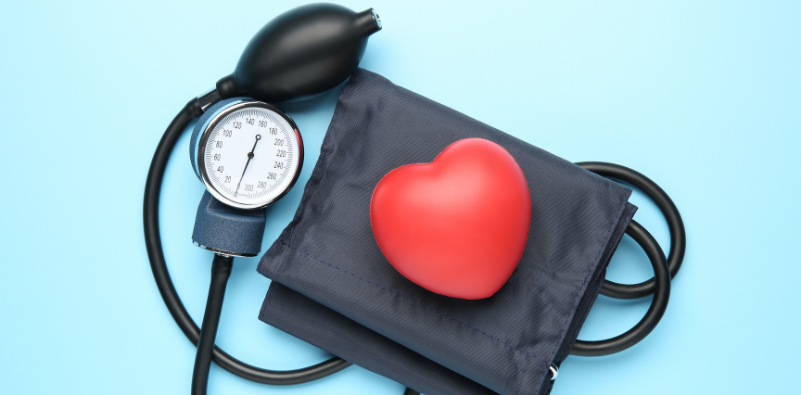
High blood pressure often develops without obvious symptoms. During a routine eye exam, your optometrist may notice changes in the retinal blood vessels, such as narrowing, small bleeds, swelling or signs that blood flow has been affected.
An eye exam cannot diagnose high blood pressure on its own, but these findings can be a useful warning sign. If we spot anything unusual, we may recommend that you contact your GP for blood pressure checks and further advice. Early action can help reduce the risk of stroke, heart disease and eye problems.
2. Diabetes and eye health
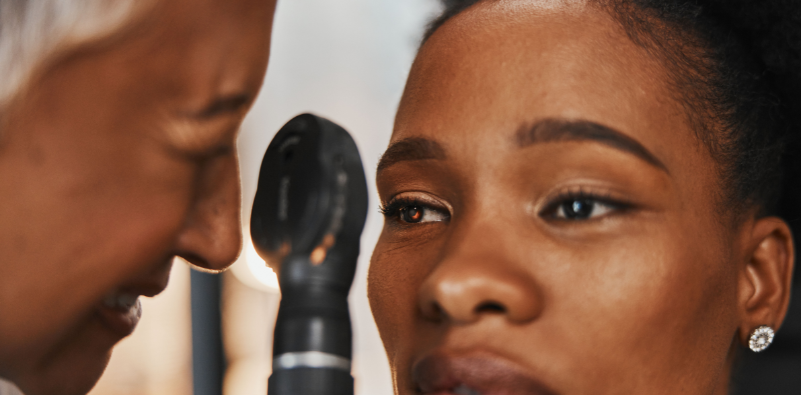
Diabetes and eye health are closely connected because high blood sugar can affect the small blood vessels that supply the retina. Over time, this may lead to diabetic retinopathy, which can develop gradually without early symptoms.
During an eye test, we look for signs such as tiny bleeds, leaking vessels, retinal swelling or changes in the appearance of the back of the eye. If you have diabetes, NHS diabetic eye screening remains essential and is separate from your regular optician appointment. However, a routine eye exam is still important for checking your prescription, monitoring eye health and identifying other concerns.
3. High cholesterol
Cholesterol is a fatty substance found in the blood. Your body needs some cholesterol, but too much can contribute to narrowed or blocked arteries. In some cases, cholesterol-related changes may be visible in or around the eyes.
During your eye exam, we may notice pale rings around the cornea, yellowish deposits around the eyelids, or plaques in retinal blood vessels. These signs do not automatically mean high cholesterol, but may suggest a GP review would be sensible. Managing cholesterol early can support both cardiovascular health and long-term eye health.
4. Neurological changes
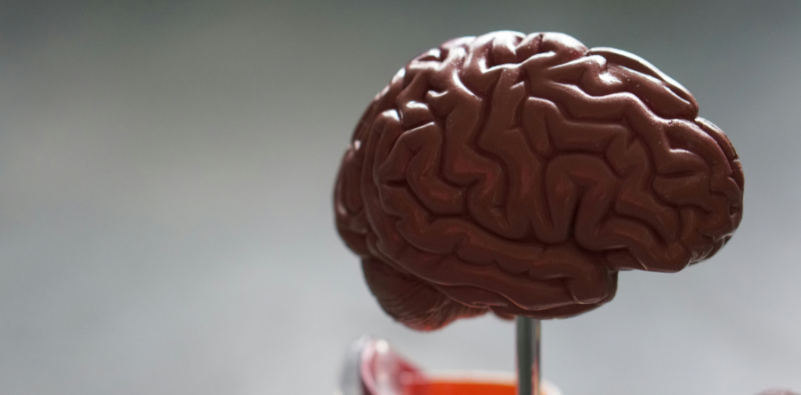
Your eyes are directly connected to your brain through the optic nerves. Because of this, certain neurological changes can affect vision, eye movement, pupils or the appearance of the optic nerve.
During an eye exam, we check your visual fields, how your pupils react to light, how your eyes move together and whether the optic nerve looks healthy. Sudden double vision, unexplained vision loss, new blind spots, persistent headaches or optic nerve swelling may need prompt medical attention. Where necessary, we can refer you.
5. Autoimmune and inflammatory conditions
Some autoimmune and inflammatory diseases can affect the eyes, including rheumatoid arthritis, inflammatory bowel disease and sarcoidosis. These conditions may cause inflammation in or around the eye, sometimes before a person connects their symptoms with a wider health issue.
Signs can include redness, light sensitivity, eye pain, dry eye, blurred vision or uveitis, which is inflammation inside the eye. Early assessment is important because inflammation can be uncomfortable and, in some cases, may put your sight at risk. Treatment and monitoring can help protect your vision.
Why choose Robinson Optometrists in Monkseaton?
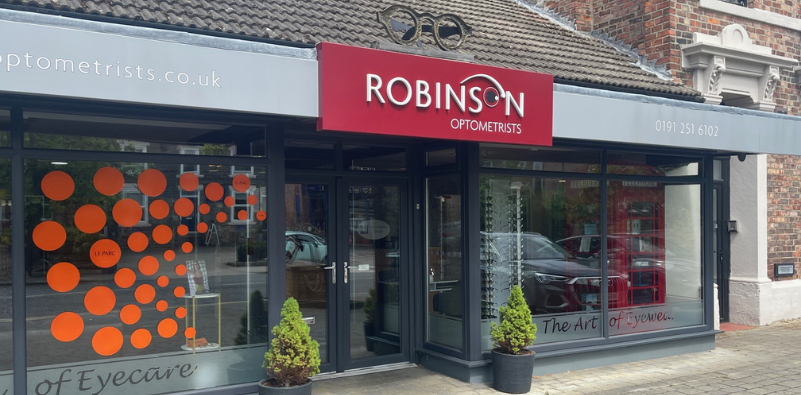
At Robinson Optometrists, we combine friendly North East care with clinical attention to detail. Our eye exams can include retinal photography, an Advanced Retinal CT 3D scan and our OCT eye test technology, which captures detailed images of the retina, optic nerve and blood vessels. It is painless, non-invasive and brilliant for monitoring subtle changes over time.
For most adults, an eye exam is recommended every two years, or more often if advised by your optometrist. If you have diabetes, high blood pressure, high cholesterol, inflammatory disease, neurological symptoms, or a family history of eye disease, we may recommend a tailored recall.
Ready to see the bigger picture when it comes to your health? Book your eye exam at Robinson Optometrists today and let’s look after your eyes — and perhaps a little more besides.