
5 Ear Care Habits to Help Protect Your Hearing

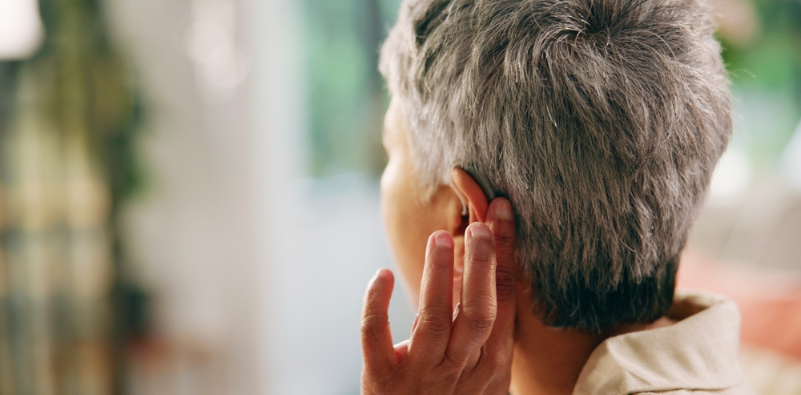
Good ear care is often about simple, everyday choices. From how you clean your ears to the way you use headphones, small habits can make a real difference to your long-term hearing health.
The key is knowing what helps, what to avoid and when it is worth asking for professional advice. Here are five practical habits that can help you care for your ears and protect your hearing.
1. Keep ear cleaning gentle
Your ears are generally very good at looking after themselves, and earwax plays an important role in protecting the ear canal from dirt and germs.
Because of this, there is usually no need to clean inside the ear canal. Cotton buds can push wax further in and may contribute to blockages or irritation.
The NHS advises against using cotton buds or other objects to remove earwax.
A better approach is to clean only the outside of the ear gently. If wax is causing discomfort, reduced hearing or a blocked feeling, it is worth asking for advice about suitable ear wax removal rather than trying to remove it yourself.
2. Choose safe options for managing earwax
Some home remedies, such as ear candles, are often promoted as a way to remove wax, but there is no reliable evidence that they work.
They can also create avoidable risks, including burns, candle wax entering the ear and potential damage to the ear canal or eardrum.
If earwax is causing discomfort, reduced hearing, a blocked feeling or recurring problems, the safest approach is to have your ears assessed by a qualified audiologist. They can check whether wax is the cause and advise on appropriate ear wax removal, including professional removal where needed.
3. Use ear drops carefully
Over-the-counter ear drops can be helpful in some situations, but they should always be used according to the instructions and are not suitable for everyone.
For example, the NHS advises against using earwax drops if you have a perforated eardrum. If you have ongoing ear pain, a suspected infection, previous ear surgery or are unsure what is causing your symptoms, it is best to seek advice before repeatedly self-treating.
4. Give your ears a break from loud headphone use
When thinking about a safe volume for headphones, it is important to remember that both volume and listening time matter.
RNID recommends keeping music within your device’s safe volume level, turning the volume down where possible and using noise-cancelling headphones if background noise is making you turn the sound up.
Regular listening breaks can also help reduce your overall exposure. This is especially useful on busy commutes, at the gym or anywhere you may be tempted to increase the volume to compete with surrounding noise.
Frequent exposure to loud music can affect hearing over time and may contribute to symptoms such as tinnitus from loud music.
5. Protect your hearing in noisy places
Concerts, festivals, DIY, noisy hobbies and some workplaces can all expose your ears to high levels of sound.
Using appropriate hearing protection, such as earplugs or ear defenders, can help reduce the risk. At music events, taking regular breaks in quieter areas and keeping a sensible distance from speakers can also make a difference.
RNID recommends using earplugs, stepping away from loud sound regularly and avoiding standing too close to speakers.
In the workplace, hearing protection should fit correctly and be used in line with your employer’s safety guidance. The Health and Safety Executive provides advice on managing noise at work, including the correct use of hearing protection.
When should you seek professional advice?

Changes in your hearing are always worth paying attention to.
Persistent ear pain, discharge, recurring wax blockages, tinnitus, a feeling of fullness or noticeable hearing changes are all good reasons to seek advice.
If conversations are becoming harder to follow, you are turning up the television more often or you have noticed other changes, you may also find our guide to five signs you should book a hearing test helpful.
Simple habits can make a real difference
Looking after your ears does not need to be complicated. Gentle cleaning, sensible headphone use and the right hearing protection can all help support healthy hearing over time.
If you are concerned about your hearing, persistent earwax or changes you have noticed, our friendly team at Robinson Optometrists in Monkseaton, Whitley Bay is here to help. We offer a free hearing test as a simple first step towards understanding your hearing.
Contact Robinson Optometrists to arrange an assessment or ask us about your ear and hearing concerns.